


When should you use industrial vacuuming services?
Standard cleaning equipment is not built for the scale, volume or type of debris that commercial and construction environments produce. This guide explains when industrial vacuuming services are the appropriate choice, what they are used for, and what to look for when specifying the service for a commercial site.
Standard cleaning equipment is designed for standard cleaning tasks. A commercial vacuum used for routine office maintenance is built around the debris levels, surface types and access requirements of a managed workplace. It is not built for a construction site at the end of a fit-out, a warehouse with accumulated industrial dust, a building that has experienced a fire or flood, or a plant room that has not been properly cleaned in several years.
When the scale, nature or volume of debris exceeds what standard equipment can handle, industrial vacuuming is the appropriate response. Understanding when that threshold is reached, and what industrial vacuuming actually involves, helps facilities managers and property teams specify the right service rather than attempting to manage heavy-duty cleaning tasks with equipment that is not fit for purpose.
What Industrial Vacuuming Actually Is
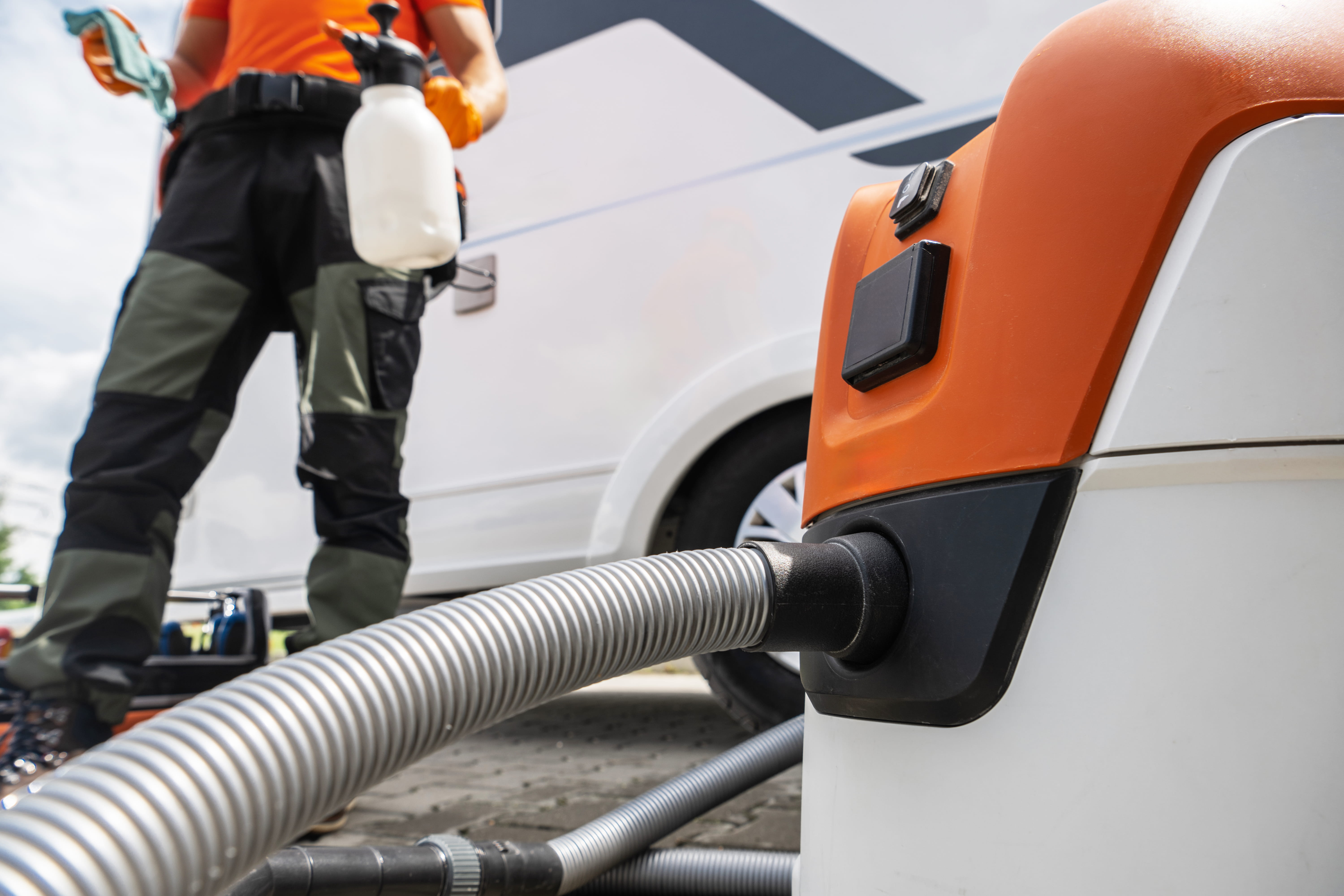
Industrial vacuuming uses high-capacity, heavy-duty vacuum systems that are significantly more powerful than commercial cleaning equipment. These machines are designed to handle large volumes of debris, fine particulate matter, wet waste, hazardous materials, and other substances that would damage or overwhelm standard vacuum equipment.
Industrial vacuum systems vary in specification depending on the application. Some are designed for dry debris such as dust, rubble and granular materials. Others handle wet waste or a combination of both. Some are fitted with HEPA filtration for environments where fine particulate matter, including silica dust, asbestos-containing materials or other hazardous substances, must be contained and not released back into the air during the cleaning process.
The machines themselves range from portable units that can be brought into confined spaces to large vehicle-mounted systems capable of handling significant volumes of material from a single location. The right specification depends entirely on the task, the site and the type of material being removed.
When Industrial Vacuuming Is the Right Choice
After Construction, Fit-Out or Refurbishment
Construction and refurbishment activity generates debris that standard cleaning cannot adequately address. Fine dust penetrates surfaces, settles in HVAC systems, coats light fittings and accumulates in areas that are difficult to access with standard equipment. Rubble, off-cuts, adhesive residue and other construction waste require removal before a building can be properly cleaned and handed over.
Industrial vacuuming is a core part of the post-construction cleaning process for this reason. It removes the bulk of fine and heavy debris before surface cleaning begins, which produces a better result and protects standard cleaning equipment from damage. Our guide to what post-construction cleaning should cover explains the full scope of a proper builder's clean, of which industrial vacuuming is typically the first stage. Classic London's builder cleaning service includes industrial vacuuming as part of a structured post-construction cleaning programme.
Industrial and Warehouse Environments
Warehouses, manufacturing facilities, plant rooms and industrial buildings accumulate debris at a rate and volume that standard cleaning cannot keep pace with. Dust on high racking, granular material on warehouse floors, oil and coolant residue in plant rooms, and general industrial soiling in production areas all require equipment capable of handling the scale and nature of the task.
In these environments, industrial vacuuming is often part of a planned maintenance programme rather than a one-off response. Regular high-capacity cleaning of warehouse floors, plant rooms and production areas reduces the risk of slip hazards, protects equipment from dust ingress, and maintains the standard required for health and safety compliance.
Hazardous Material Removal
Some cleaning tasks involve materials that cannot be handled with standard equipment due to the health risk they present. Fine silica dust generated by cutting or grinding masonry, legacy asbestos-containing materials disturbed during refurbishment, lead paint dust from older buildings, and other hazardous particulates require vacuum systems fitted with appropriate filtration to contain the material during removal.
HEPA-filtered industrial vacuum cleaners capture fine particles that would pass straight through standard vacuum filters and be released back into the air. For any task involving potentially hazardous dust or particulate matter, specifying equipment with the correct filtration is a health and safety requirement, not an optional upgrade.
Flood, Fire and Emergency Situations
Water ingress, flooding and fire damage all create cleaning requirements that exceed what standard equipment can handle. Wet vacuuming of flood-affected areas, removal of debris and residue following a fire, and clearance of contaminated material following an emergency all require industrial-grade equipment operated by experienced personnel.
In these situations, speed matters as much as capability. Water left standing damages building fabric, encourages mould growth and extends the period during which the affected area cannot be used. Industrial wet vacuuming removes water quickly and at scale, reducing the window of damage and supporting faster recovery. Classic London's emergency response service covers this type of situation for commercial properties across London and the South East.
Deep Cleaning of Commercial Buildings
Even in well-maintained commercial buildings, areas accumulate soiling over time that routine cleaning does not address. Plant rooms, basement areas, car parks, loading bays, roof spaces and service voids are all environments where debris, dust and general soiling build up gradually and require periodic deep cleaning with equipment capable of handling the volume involved.
Industrial vacuuming in these contexts is typically part of a planned deep cleaning programme rather than a reactive response. For facilities managers overseeing large or complex commercial buildings, scheduling periodic industrial cleaning of these areas prevents the gradual deterioration that makes reactive cleaning more disruptive and more expensive when it is eventually needed. Classic London's commercial office cleaning and facilities support services can incorporate industrial vacuuming into a planned maintenance programme where required.
What to Look for When Specifying Industrial Vacuuming Services
The Right Equipment for the Task
Industrial vacuum systems are not interchangeable. A machine specified for dry construction debris is not the right choice for wet waste removal. A standard industrial vacuum without HEPA filtration is not appropriate for hazardous dust. Before engaging a contractor, confirm that the equipment being used is correctly specified for the material and environment involved.
Key questions to ask:
Is the machine rated for wet waste, dry waste or both?
Does the specification include HEPA filtration where hazardous materials are involved?
What is the capacity of the system relative to the volume of material to be removed?
Can the equipment access all areas of the site, including confined spaces or areas with restricted entry points?
Experience With the Specific Environment
Industrial vacuuming in a post-construction environment is a different task from industrial vacuuming in a plant room or a flood-affected basement. Contractors with specific experience of the environment and the material involved are better placed to specify the right equipment, work safely and produce a consistent result than those who treat all industrial vacuuming as broadly the same task.
Health and Safety Compliance
For tasks involving hazardous materials, the contractor must be able to demonstrate compliance with the relevant health and safety requirements. This includes appropriate training for operatives, correct waste disposal procedures for hazardous materials, and documentation of the works carried out. Asking for evidence of these before engaging a contractor is a straightforward part of due diligence for any facilities or property management team.
Industrial Vacuuming vs Standard Commercial Cleaning: A Quick Reference
Situation | Standard Cleaning | Industrial Vacuuming |
Routine office maintenance | Yes | No |
Post-construction debris removal | No | Yes |
Fine dust in plant rooms | No | Yes |
Warehouse floor soiling | Partial | Yes |
Flood water removal | No | Yes |
Hazardous dust or particulates | No | Yes (HEPA filtered) |
Deep clean of service voids | No | Yes |
Fire damage clearance | No | Yes |
Frequently Asked Questions
What is the difference between industrial vacuuming and standard commercial cleaning?
→ Standard commercial cleaning equipment is designed for routine maintenance in office and commercial environments. Industrial vacuum systems are significantly more powerful, higher capacity machines built to handle large volumes of debris, wet waste, fine particulate matter and hazardous materials. The two serve different purposes and are not interchangeable for heavy-duty tasks.
When does a construction site need industrial vacuuming?
→ Industrial vacuuming is typically needed at the end of a construction or fit-out project, before surface cleaning and handover can begin. It removes fine dust, construction debris and residual material that would damage standard cleaning equipment and cannot be adequately cleared by conventional means. It is also used during construction for periodic clearance of accumulated debris on active sites.
Is industrial vacuuming needed for hazardous dust removal?
→ Yes, and the specification matters. For tasks involving silica dust, asbestos-containing materials, lead paint dust or other hazardous particulates, HEPA-filtered industrial vacuum systems are required to contain the material during removal. Standard vacuums release fine particles back into the air through the filter, which creates a health risk rather than resolving one.
Can industrial vacuuming be used for flood damage?
→ Yes. Wet and dry industrial vacuum systems are used for rapid water removal following flooding or water ingress. Speed is important in these situations because standing water causes progressive damage to building fabric and increases the risk of mould. Industrial wet vacuuming removes water at a scale and pace that standard equipment cannot match.
How often should industrial vacuuming be carried out in a commercial building?
→ For routine commercial buildings, industrial vacuuming of plant rooms, service voids and basement areas is typically carried out as part of a planned deep cleaning programme, often annually or biannually depending on the building and its use. For industrial and warehouse environments, more frequent programmes are common depending on the level of activity and the debris generated.
What should I look for in an industrial vacuuming contractor?
→ The key considerations are that the contractor uses equipment correctly specified for the task, has experience of the specific environment involved, and can demonstrate health and safety compliance for any works involving hazardous materials. For post-construction cleaning, the contractor should understand how industrial vacuuming fits into the broader cleaning programme rather than treating it as a standalone task.
Knowing When Standard Cleaning Is Not Enough
The practical test for whether industrial vacuuming is needed is straightforward: if the volume, nature or hazard level of the material involved exceeds what standard commercial cleaning equipment is designed to handle, industrial vacuuming is the appropriate specification. Attempting to manage heavy-duty cleaning tasks with standard equipment produces poor results, risks damaging the equipment, and in some cases creates health and safety risks that the cleaning was intended to resolve.
Classic London's industrial vacuum services cover commercial buildings, construction sites, warehouses and industrial environments across London and the South East. For planned programmes or one-off deep cleaning requirements, speak with the Classic London team.