


What to do after a commercial building fire: Getting the office back how it was
A fire in a commercial building creates immediate pressure to act, but the decisions made in the hours and days that follow have a direct bearing on how quickly and completely the building recovers. This guide covers what property managers and facilities teams should do after a commercial fire, from the immediate response through to full restoration and reoccupation.
A fire in a commercial building, even a contained one, creates immediate pressure to act. Tenants need to know when they can return. The landlord or managing agent needs to understand the extent of the damage. Insurers need to be notified. And the building itself needs to be assessed, made safe, cleaned and restored before normal occupation can resume.
The decisions made in the hours and days immediately following a fire have a direct bearing on how quickly and completely the building recovers. Acting too slowly allows secondary damage from smoke, soot and water to worsen. Acting without the right sequence in place wastes time and money.
This guide sets out what property managers and facilities teams should do at each stage, from the immediate response through to full restoration.
The Immediate Priority: Safety and Assessment
Before any cleaning or restoration work can begin, the building must be confirmed safe to enter. This is not a decision for the property manager or facilities team to make independently. The fire service will advise when re-entry is permitted, and a structural assessment may be needed before any part of the building is reoccupied or worked in, depending on the scale and location of the fire.
Once re-entry is permitted, the immediate priorities are:
Structural assessment: Confirm with a structural engineer or qualified surveyor that the building is safe to work in. Fire can compromise structural elements that appear intact from the outside.
Utilities isolation: Ensure that gas, electricity and water supplies to affected areas have been isolated by the relevant specialists before any works begin. Water used to extinguish the fire may have affected electrical installations.
Insurance notification: Notify the building's insurer as early as possible and before any significant remediation work begins. Most policies require prompt notification and may have specific requirements around documentation and approved contractors.
Documentation: Photograph and record the extent of the damage thoroughly before any cleaning or clearance begins. This supports the insurance claim and provides a baseline against which the restoration can be measured.
Understanding the Scope of Fire Damage
Fire damage in a commercial building is rarely limited to the area where the fire started. The full scope of damage typically includes several distinct categories, each of which requires a different approach.
Fire and heat damage: Direct damage to building fabric, finishes, fixtures and contents in and around the source of the fire. This is the most visible category and the one that typically requires the most significant structural and cosmetic repair.
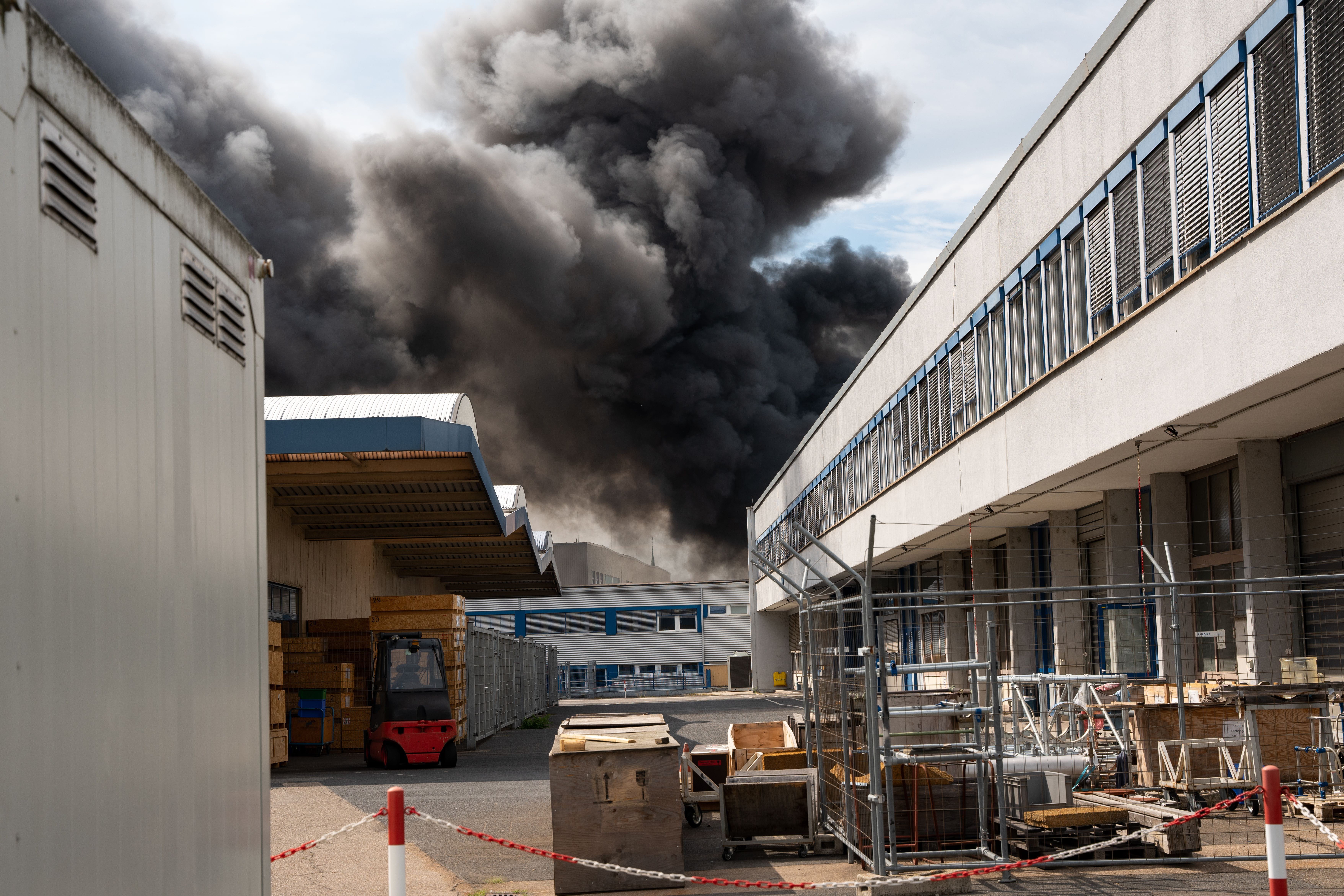
Smoke and soot damage: Smoke travels rapidly through a building via ventilation systems, open doors and natural air movement. Soot deposits on surfaces far from the fire itself, and smoke odour penetrates soft furnishings, ceiling voids, wall cavities and HVAC ductwork. Smoke damage is frequently more extensive than the fire damage itself and is one of the most challenging aspects of commercial fire restoration.
Water damage: The water used to extinguish the fire causes its own category of damage. Flooring, ceilings, walls and contents absorb water rapidly, and if drying is not addressed promptly, secondary damage from mould and damp follows quickly. Water damage from firefighting often affects floors below the fire even when those areas were not touched by the fire itself.
Contamination: Fire produces a range of combustion byproducts, some of which are hazardous. Depending on what burned, the affected area may require specialist assessment and decontamination before it is safe for workers or occupants to re-enter.
Understanding the full scope across all four categories before beginning restoration work allows the programme to be properly sequenced and costed, and avoids situations where work has to be redone because a category of damage was not identified or addressed at the right stage.
The Restoration Sequence
Commercial fire restoration follows a logical sequence. Departing from that sequence, typically by moving to cosmetic repair before the building is properly dried and cleaned, produces poor results and often means work has to be repeated.
Stage 1: Clearance and Industrial Cleaning
The first practical stage after safety has been confirmed is clearance of fire-damaged material and initial industrial cleaning of affected areas. This involves removing debris, damaged contents and fire-affected building material, followed by industrial vacuuming to remove soot, ash and particulate matter from surfaces and voids.
Standard cleaning equipment is not appropriate for this stage. The volume and nature of the material involved, including potentially hazardous combustion residues, requires industrial-grade equipment with appropriate filtration. Classic London's industrial vacuum services and emergency response services cover this initial stage for commercial buildings across London and the South East.
Stage 2: Drying and Dehumidification
Water from firefighting must be removed and the building properly dried before any remediation or restoration work begins. Industrial drying equipment, including dehumidifiers and air movers, is deployed to reduce moisture levels in the building fabric to acceptable levels. This stage takes time and cannot be rushed without risking mould growth and ongoing damp problems in the restored building.
Stage 3: Smoke and Soot Cleaning
Once the building is cleared and dried, specialist smoke and soot cleaning addresses the secondary damage that has spread beyond the immediate fire area. This includes:
Surface cleaning of walls, ceilings, floors and fixtures affected by soot deposits
Cleaning and deodorising of HVAC ductwork and ventilation systems through which smoke has travelled
Treatment of soft furnishings, carpets and other absorbent materials where salvage is possible
Specialist odour treatment to address smoke smell that has penetrated building fabric
Smoke odour that is not properly treated at this stage will persist long after the visible damage has been repaired, creating an ongoing problem for occupants and a source of complaints that is difficult to resolve retrospectively.
Stage 4: Fire Damage Repair and Restoration
With the building cleaned and dried, structural and cosmetic repair can begin. Classic London's fire damage repair services cover the reinstatement of building fabric, finishes and fixtures damaged by the fire itself. Depending on the scale of the damage, this may include plastering, decoration, flooring replacement, joinery repair and reinstatement of fixtures and fittings.
For more extensive structural damage, this stage may involve coordination with structural engineers, specialist contractors and the building's insurer. The scope of repair should be agreed against a clear specification before works begin, both to manage cost and to ensure the restored building meets the standard required for reoccupation.
Stage 5: Builder's Clean and Final Preparation
Before the building is handed back for reoccupation, a thorough builder's clean removes the dust and residue generated by the repair and restoration works. Classic London's builder cleaning service covers this final stage, producing a building that is clean, presentable and ready for tenants and occupants to return to.
Working With Insurers
Insurance plays a central role in commercial fire restoration, and the relationship between the property manager, the insurer and the contractors carrying out the work needs to be managed carefully.
Key points to be aware of:
Notify early and document thoroughly: Most commercial property policies require prompt notification of a claim and documentation of the damage before remediation begins. Failing to do this can complicate the claims process.
Agree scope before committing to works: For significant restoration programmes, insurers will typically want to agree the scope and cost of works before they are carried out. Proceeding without this agreement can result in disputes over what is covered.
Use contractors with relevant experience: Some insurers have preferred contractor lists or requirements around contractor qualifications for fire restoration work. Checking this before appointing contractors avoids complications later.
Keep records throughout: Maintain a clear record of all works carried out, costs incurred and decisions made throughout the restoration programme. This supports the claims process and provides a clear audit trail if questions arise later.
How Quickly Can a Commercial Building Be Restored?
The timeline for commercial fire restoration depends on the scale and nature of the damage, the speed with which the programme is mobilised, and the complexity of the repair works required. A contained fire affecting a single office or suite may be resolved within days to weeks. A more significant fire affecting multiple floors or building systems may take several months to fully restore.
The single most important factor in reducing the overall timeline is speed of mobilisation at the early stages. The longer smoke damage is left untreated, the deeper it penetrates. The longer water sits in the building fabric, the greater the secondary damage. Engaging experienced emergency response services quickly, with the capability to begin clearance, drying and industrial cleaning within hours of re-entry being permitted, significantly reduces the overall restoration timeline and the total cost of the programme.
Frequently Asked Questions
What should I do immediately after a commercial building fire?
→ The immediate priorities are confirming the building is safe to re-enter with the fire service and a structural assessment if needed, isolating utilities in affected areas, notifying the building's insurer, and documenting the damage thoroughly before any cleaning or clearance begins. Engaging a specialist emergency response contractor early allows the restoration programme to be mobilised quickly once re-entry is permitted.
How long does smoke smell last in a commercial building after a fire?
→ Smoke odour can persist for months or longer if it is not properly treated at the right stage of the restoration programme. Smoke penetrates building fabric, HVAC systems and soft furnishings, and surface cleaning alone is not sufficient to eliminate it. Specialist deodorising treatment as part of a structured smoke damage cleaning programme is required to address the odour properly.
Can fire-damaged buildings be fully restored?
→ In most cases, yes. The extent to which a building can be restored depends on the scale of the structural damage. Buildings where the fire has caused significant structural compromise may require more extensive reconstruction rather than restoration, but for the majority of commercial fires, full restoration to pre-fire condition is achievable with the right programme of cleaning, drying and repair.
How does water damage from firefighting affect the restoration timeline?
→ Water damage from firefighting can be as significant as the fire damage itself and extends the restoration timeline considerably if it is not addressed promptly. Industrial drying and dehumidification must be completed before repair and restoration works begin, and this process takes time that cannot be shortened without risking ongoing damp and mould problems in the restored building.
Do I need specialist contractors for commercial fire restoration?
→ Yes. Commercial fire restoration involves industrial cleaning, specialist smoke and soot treatment, structural assessment and repair, and coordination with insurers, all of which require contractors with specific experience of fire restoration in commercial environments. Standard cleaning or decorating contractors are not equipped to manage the full scope of a fire restoration programme.
What is the difference between fire damage repair and emergency response?
→ Emergency response covers the immediate actions required after a fire: clearance of debris, industrial cleaning, water removal and drying. Fire damage repair covers the subsequent structural and cosmetic reinstatement of the building once it has been cleaned and dried. Both are distinct stages of the same programme and need to be sequenced correctly for the restoration to be effective.
Getting the Building Back to How It Was
A commercial building fire is a serious disruption, but with the right response at the right stages, full restoration is achievable. The key is speed of mobilisation in the early stages, correct sequencing of the restoration programme, and engagement of contractors with genuine experience of commercial fire restoration rather than general cleaning or maintenance contractors attempting to adapt their standard service to an unfamiliar situation.
Classic London provides emergency response services and fire damage repair for commercial buildings across London and the South East, covering the full programme from initial clearance and industrial cleaning through to final restoration and builder's clean. To discuss an emergency situation or plan ahead for your building's emergency response arrangements, speak with the Classic London team.