



Stone Cleaning in London: How to Maintain Commercial Stone Facades Before Damage Sets In
London's environment is particularly hard on commercial stone facades. Pollution, rain, biological growth and thermal movement all affect stonework over time, and the difference between a cleaning programme and a repair programme is often simply how long the problem has been left. This guide covers what stone cleaning in London involves for commercial buildings and how regular facade maintenance protects stonework before damage becomes structural.
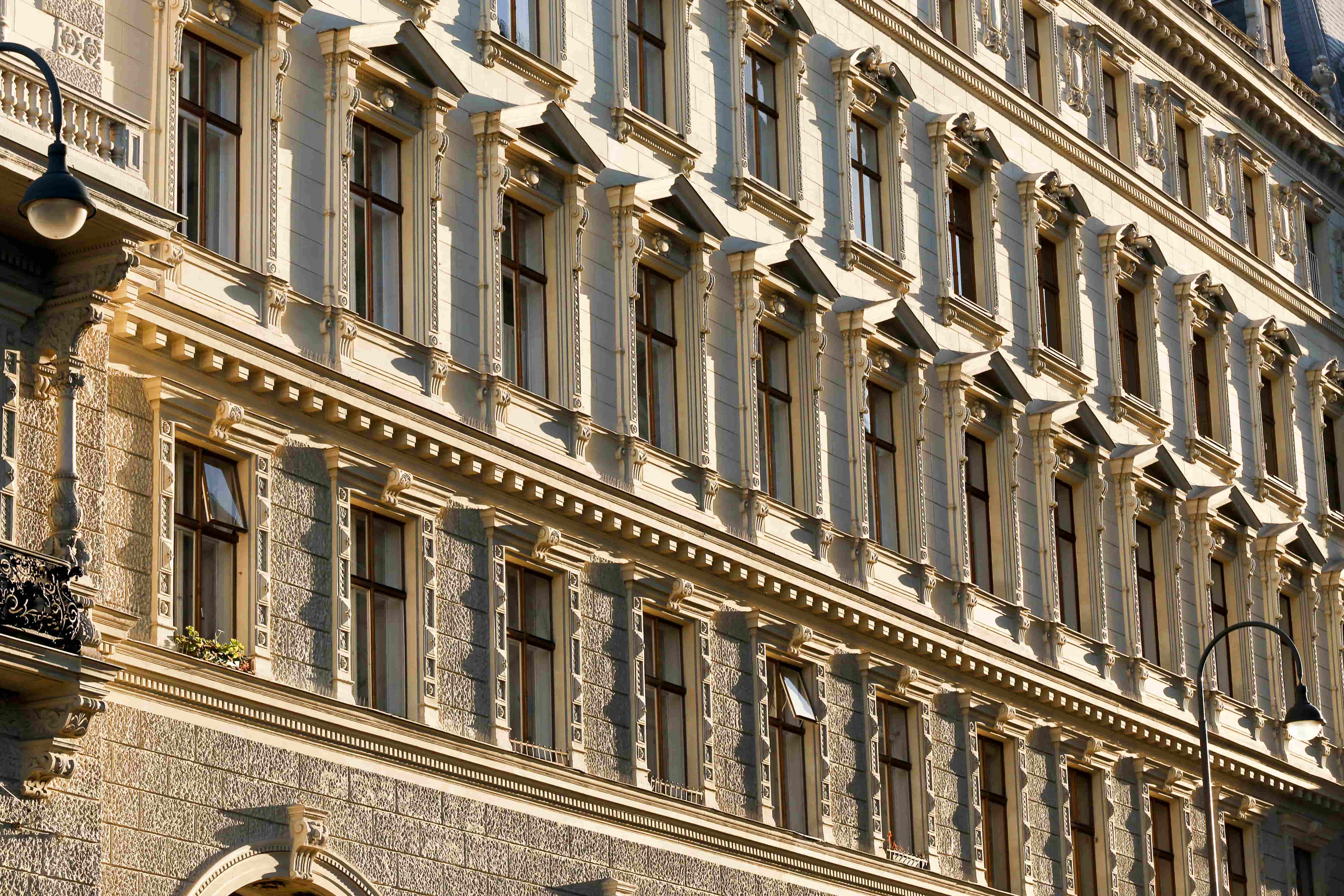
London's commercial building stock includes a significant proportion of stone-faced structures, from Victorian and Edwardian office buildings with Portland stone facades to post-war concrete and reconstructed stone cladding, and more recent developments using granite, limestone and sandstone as facing materials.
All of them share one characteristic: they are exposed to one of the more demanding urban environments in Europe, and without a consistent cleaning and maintenance programme, the effects accumulate faster than most building managers expect.
Stone cleaning in London for commercial buildings is not purely an aesthetic task. The soiling and biological growth that accumulate on stone facades over time are not simply cosmetic. Left long enough, they begin to affect the material itself.
Understanding what causes stone facades to deteriorate, what stone cleaning involves, and how a regular maintenance programme differs from reactive repair work is useful knowledge for any facilities manager or property team responsible for a stone-faced commercial building.
Why London Is Particularly Hard on Stone Facades
London's environment creates a combination of stresses on external stonework that accelerates deterioration compared to less urban settings.
Pollution and Atmospheric Soiling
Vehicle exhaust particulates, carbon deposits, sulphur compounds and general atmospheric pollution settle on stone surfaces continuously. Over time they form a soiling layer that darkens the facade, penetrates the surface of more porous stones, and in some cases reacts chemically with the stone itself. Sulphur dioxide in particular reacts with calcium carbonate in limestone and marble to form calcium sulphate, which causes the characteristic black crust seen on many of London's older stone buildings.
This is not simply a visual problem. As the crust builds up and then weathers unevenly, it can cause surface spalling and loss of detail on carved or moulded stonework that is both aesthetically damaging and structurally significant for the long-term condition of the facade.
Biological Growth
Algae, moss, lichen and other biological growth colonise stone surfaces wherever moisture and shelter combine to create suitable conditions. North-facing elevations, recessed areas, window sills, cornices and horizontal ledges are particularly prone to biological growth because they retain moisture longer than exposed vertical surfaces.
Biological growth on stone is more than a staining problem. The root structures of moss and lichen physically penetrate stone surfaces, widening existing micro-cracks and creating new pathways for water ingress. On softer stones such as sandstone and some limestones, this biological activity can cause significant surface erosion over time.
Rain, Moisture and Thermal Movement
London's rainfall pattern, with frequent light rain rather than the heavy seasonal downpours of drier climates, means stone facades experience near-continuous wetting and drying cycles. Water penetrates surface micro-cracks, and when temperatures drop, freeze-thaw action widens those cracks progressively. On older buildings with lead flashings, calcium-rich run-off creates calcium carbonate staining on the stone below, which is difficult to remove once established.
Thermal movement, the expansion and contraction of stone as temperatures change, stresses mortar joints and sealant lines over time. Where these begin to fail, water ingress accelerates and what starts as a maintenance issue becomes a repair problem.
What Stone Cleaning in London Actually Involves
Stone cleaning for commercial buildings in London is not a single method. The right approach depends on the stone type, the nature and extent of the soiling, the building's age and condition, and whether the facade has any heritage or conservation designation that restricts the methods that can be used.
Low-Pressure Washing and Soft Washing
For general atmospheric soiling and biological growth on robust stone types, controlled low-pressure washing removes surface deposits without damaging the stone substrate. Soft washing, which combines low pressure with appropriate biocidal cleaning agents, is effective for biological growth and is the preferred method for surfaces where higher pressure would risk surface erosion or damage to mortar joints.
Pressure washing for external stonework cleaning in London needs to be carefully calibrated. Too much pressure on softer stones, weathered surfaces or areas with failing mortar causes more damage than the soiling it is removing. Classic London's pressure washing services for commercial facades use controlled pressure appropriate to the surface rather than a standard setting applied regardless of the material.
Chemical Cleaning
Some soiling types, particularly the black pollution crusts common on London's older stone buildings, do not respond adequately to water-based cleaning alone. Specialist chemical cleaning agents are applied to the surface, allowed to dwell for a controlled period, and then rinsed off, taking the soiling with them. The chemistry needs to be matched to the stone type: alkaline cleaners suit some stones, acid-based products suit others, and using the wrong product causes irreversible surface damage.
Chemical cleaning for external stonework cleaning in London is also used for calcium carbonate staining, metallic staining from corroded fixings or flashings, and organic staining from plant material or bird fouling. Each requires a different chemical approach and a test area assessment before full application.
DOFF Steam Cleaning
DOFF is a superheated steam cleaning system that uses very high temperature steam at low pressure to remove soiling from stone surfaces. It is particularly effective for biological growth, paint removal from stonework, and cleaning sensitive or delicate stone where chemical or pressure methods would carry too much risk. DOFF is widely used on listed buildings and heritage structures in London, and is increasingly specified for commercial stone cleaning where the facade material is fragile or the surface detail is fine.
Abseiling and High-Level Access
Stone cleaning on multi-storey commercial buildings requires access to the full height of the facade. For tall buildings or those with restricted ground access, abseiling and high-level access allows operatives to work methodically down the facade from roof level, cleaning each section before moving to the next.
This is often more practical than deploying large platform equipment around the perimeter of a constrained London site, and allows close inspection of the stonework condition at the same time as the cleaning is carried out.
Stone Cleaning vs Stone Restoration: Understanding the Difference
The distinction between stone cleaning and stone restoration matters for planning and budgeting purposes. Stone cleaning in London removes soiling, biological growth and surface deposits from stonework that is structurally sound. Stone restoration addresses damage that has already occurred: spalled surfaces, eroded detail, failed mortar joints, cracked or missing sections of stone.
A consistent stone cleaning programme is what prevents a cleaning budget from becoming a restoration budget. Buildings whose facades are cleaned regularly accumulate less soiling, experience less biological growth, and allow small areas of concern to be identified and addressed before they become structural.
Buildings that are cleaned reactively, only when the deterioration is visible and significant, typically require more intensive treatment and more frequent restoration works than those on a planned maintenance cycle.
For buildings where restoration works are already needed alongside cleaning, our guide to stone restoration in London covers the repair and reinstatement process in detail. Classic London's stone restoration services cover both the cleaning and restoration requirements for commercial stone facades.
How Often Should Commercial Stone Facades Be Cleaned in London?
Cleaning frequency depends on the stone type, the building's location and exposure, and the standard the property needs to maintain. As a general guide:
Building Type / Location | Recommended Frequency |
City centre, high pollution exposure | Every 2 to 3 years |
Managed commercial, general London | Every 3 to 5 years |
Buildings near major roads or construction | Every 2 to 3 years |
Heritage or sensitive stone facades | As advised following inspection |
Buildings with biological growth history | More frequent biocidal treatment |
These are starting points rather than fixed intervals. A building that has not been cleaned for an extended period will require an initial intensive clean before a standard maintenance frequency can be established.
Annual inspections of the facade condition, even in years when a full clean is not programmed, allow early identification of soiling build-up, biological growth or mortar deterioration before they require more significant intervention.
Planning Stone Cleaning Alongside Wider Facade Maintenance
Stone cleaning works best when it is planned as part of a wider facade maintenance programme rather than as an isolated task. The access mobilisation required for stone cleaning on a multi-storey building, whether that involves scaffolding, MEWPs or abseiling, creates an opportunity to carry out other facade maintenance works at the same time.
Mortar joint inspection and repointing, sealant replacement around windows and panel joints, inspection of fixings and flashings, and minor repairs to damaged or spalled stone sections can all be carried out during the same access programme as the cleaning works. Combining these tasks reduces the total number of access mobilisations needed over the building's maintenance cycle and makes more efficient use of the programme budget.
For buildings with mixed facade materials, stone cleaning can also be coordinated with commercial facade cleaning of non-stone elements such as cladding panels and glazing, ensuring the full exterior is maintained to a consistent standard in a single coordinated programme. Pressure washing in London for paved areas, entrance paths and external hard surfaces can also be incorporated into the same programme visit where relevant.
Frequently Asked Questions
What causes black staining on London stone buildings?
The black staining common on London's older stone buildings is primarily caused by sulphur dioxide in atmospheric pollution reacting with calcium carbonate in limestone and similar stones to form calcium sulphate. This creates a hard black crust that traps further pollution deposits. It is removable with specialist chemical cleaning but requires careful method selection to avoid damaging the stone surface beneath.
Can all types of stone be cleaned the same way?
No. Different stone types require different cleaning methods. Granite and hard sandstone can tolerate controlled pressure washing. Softer limestones, marble and carved detail require gentler methods such as soft washing, chemical cleaning or DOFF steam cleaning. Using an inappropriate method on the wrong stone type causes surface erosion or chemical damage that is irreversible. A test area assessment before full application is standard practice for any reputable contractor.
Is stone cleaning covered by planning requirements?
For listed buildings and buildings in conservation areas, some stone cleaning methods may require prior approval from the local planning authority. Chemical cleaning and abrasive methods in particular are subject to scrutiny because of the potential for irreversible damage. For unconstrained commercial buildings, most stone cleaning methods do not require planning consent, but it is worth confirming the building's designation before specifying the method.
How long does stone cleaning take for a commercial building?
Duration depends on the building's size, the access method required, the extent of soiling and the cleaning method used. A straightforward clean of a mid-rise commercial building using pressure or soft washing may take two to three days. Larger buildings, those requiring specialist chemical treatment, or those needing abseiling access for the full facade will take longer. A site assessment before the programme begins gives a more accurate estimate.
What is the difference between stone cleaning and stone restoration?
Stone cleaning removes surface soiling, biological growth and atmospheric deposits from structurally sound stonework. Stone restoration addresses physical damage including spalling, erosion, failed mortar joints and missing or broken sections of stone. A regular cleaning programme reduces the rate at which restoration works become necessary by preventing soiling and biological growth from causing progressive surface damage.
Can stone cleaning be combined with other facade maintenance works?
Yes, and this is generally the most cost-effective approach. The access mobilisation required for stone cleaning on a multi-storey building creates an opportunity to carry out mortar inspection and repointing, sealant replacement, fixing inspection and minor repairs in the same programme. Combining works reduces the total number of access visits needed and makes more efficient use of the maintenance budget.
Keeping Stone Facades in Good Condition Before Problems Develop
The difference between a stone cleaning programme and a stone restoration programme is usually time. Facades that are cleaned regularly accumulate less soiling, experience less biological damage, and allow small areas of concern to be identified and addressed before they become structural.
For facilities managers and property teams responsible for stone-faced commercial buildings in London, a planned cleaning and inspection cycle is considerably less expensive over the long term than reactive treatment once visible deterioration has set in.
Classic London provides stone cleaning and stone restoration services for commercial buildings across London and the South East, covering the full range of facade cleaning methods and access requirements. To discuss the condition of your building's stone facade or to plan a cleaning programme, speak with the Classic London team.