


Scissor Lift, Boom Lift or Spider Lift? How to Choose the Right MEWP for the Job
Specifying the wrong access platform costs time, money and sometimes the job itself. This guide explains the key differences between scissor lifts, boom lifts and spider lifts, what each one is designed for, and how to match the right MEWP to the task and site conditions before the work begins.
Scissor Lift, Boom Lift or Spider Lift? How to Choose the Right MEWP for the Job
Specifying the right access platform for a job at height is one of those decisions that looks straightforward until you are on site and the machine cannot reach the work area, or the ground conditions mean it cannot be safely deployed at all. The difference between a scissor lift, a boom lift and a spider lift is not simply a matter of size or cost. Each type of platform is built around a different set of access requirements, and choosing between them depends on factors that are specific to the task, the building, and the site conditions.
This guide explains how the main MEWP types differ, what each one is best suited to, and how to work through the key considerations before committing to a platform. If you are already familiar with the types and need to compare MEWPs against rope access or cradle systems for high-rise work specifically, our guide on comparing rope access, MEWP and cradle systems covers that decision in detail.
What MEWP Types Are Available and How They Differ
MEWP stands for Mobile Elevating Work Platform. It is the standard industry term covering any machine designed to lift people to work safely at height, from compact electric platforms used inside commercial buildings to large diesel boom lifts used on external facades. Cherry pickers, scissor lifts, boom lifts and spider lifts all fall under the MEWP category. The differences between them come down to how they extend, how far they reach, and the conditions they are designed to work in.
Understanding those differences before specifying a platform avoids the most common and costly mistakes in access planning.
Scissor Lifts
A scissor lift raises a large working platform straight up using a crossed scissor mechanism beneath the deck. The platform does not extend horizontally. It moves vertically only, which means the machine needs to be positioned directly beneath the work area before it can be used.
This vertical movement is both the strength and the limitation of scissor lifts. Because the platform is wide and stable, scissor lifts can carry significant loads and provide a comfortable working area for operatives and their equipment. They are reliable, efficient and well suited to tasks where the work is overhead and the surface below is firm and level.
In commercial property settings, scissor lift hire is most commonly used for:
Ceiling maintenance, lighting replacement and HVAC servicing in warehouses, retail units and office buildings
Internal cleaning programmes in large open spaces such as atria, car parks and covered walkways
Electrical and mechanical installation work in buildings with high ceilings
Snagging and inspection work during post-construction handover
Electric scissor lifts are the standard choice for indoor commercial use as they produce no fumes, operate quietly, and can be used safely in occupied or sensitive environments without disruption to the building or its occupants. For outdoor use on firm, level ground, larger rough-terrain scissor lifts are available.
The key question to ask before specifying a scissor lift is whether the machine can be positioned directly beneath every part of the work area. If the answer is no, a platform with outreach capability will be needed instead.
Boom Lifts
A boom lift uses an extendable arm to raise the working platform both upward and outward. This outreach capability is what sets boom lifts apart from scissor lifts and makes them the platform of choice when the work area is not directly above the machine, or when the platform needs to reach over an obstacle, a structure, or a change in level.
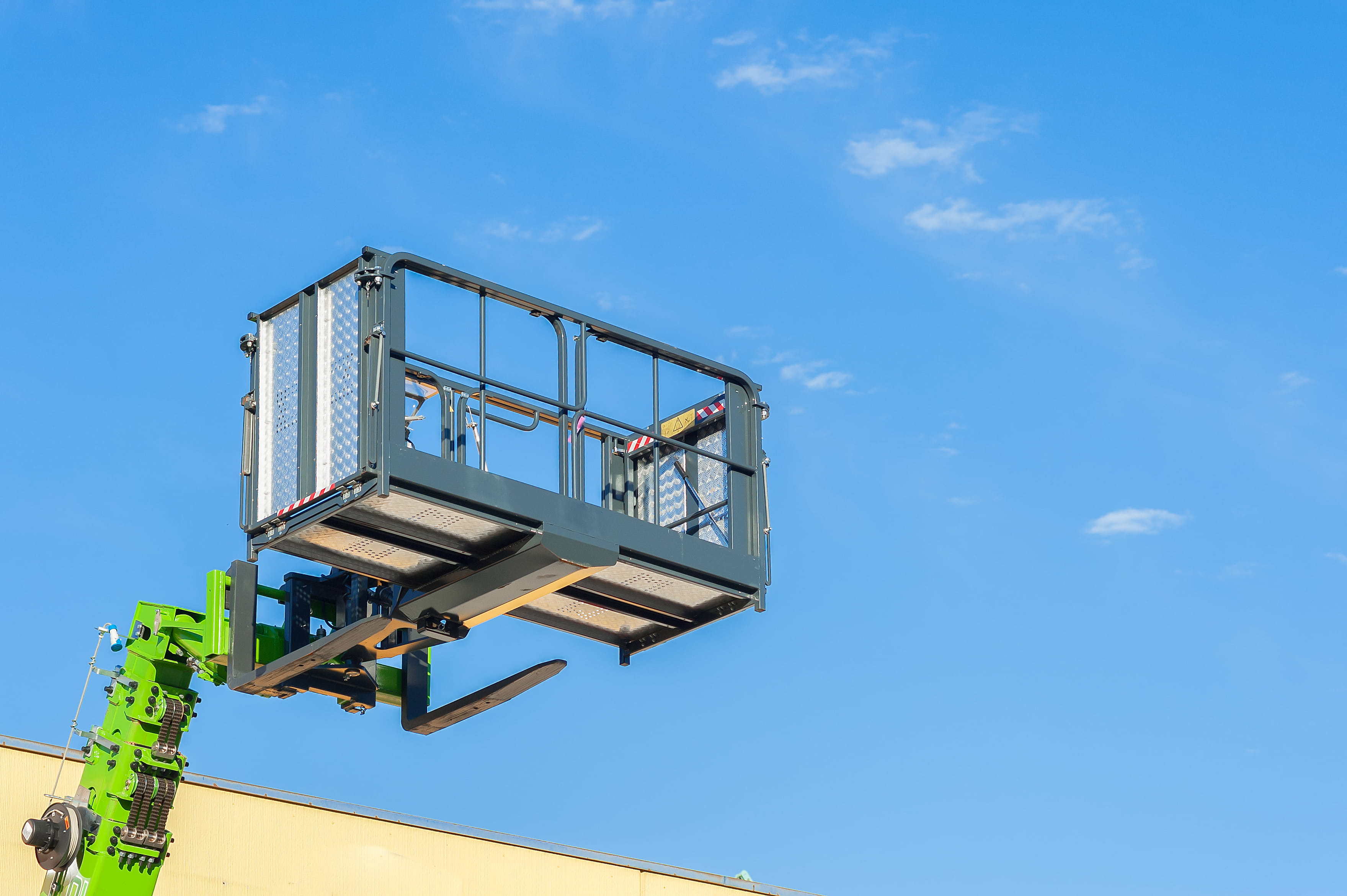
There are two main boom lift configurations. Telescopic boom lifts extend the arm in a straight line and are suited to reaching height quickly across open ground, making them common on large construction sites and for external facade work. Articulated boom lifts have a jointed arm that can bend around obstacles, giving them more flexibility in complex or cluttered environments where a straight reach is not possible.
Boom lift hire in London is regularly used for:
External window cleaning and facade maintenance on multi-storey commercial buildings
Cladding inspection and repair on buildings where the facade cannot be accessed from directly below
Gutter clearance and roofline maintenance on commercial and managed residential properties
External painting and decorating where scaffold would be disproportionate for the scale of the task
Signage installation and lighting maintenance on external structures
Both diesel and electric boom lifts are available. Electric models are preferred where the platform will be working close to a building in a semi-enclosed area, such as a covered loading bay or an underground car park access ramp. Diesel models are more commonly used on fully external sites where power supply is not guaranteed.
On the other hand, boom lifts require more space to operate than scissor lifts as they are heavier, need a stable surface to deploy safely, and require clearance for outriggers on some models. Ground conditions and load-bearing capacity should always be checked before deployment, particularly on older paved surfaces or areas over basements and service runs.
Spider Lifts
Spider lifts are compact, self-propelled access platforms that stabilise using extending legs, giving them the appearance of a spider when deployed. Their defining characteristic is the ability to work on surfaces and in spaces where a conventional scissor or boom lift cannot be used.
Spider lifts can operate on gradients, uneven ground, and surfaces with limited load-bearing capacity. They are narrow enough to pass through standard doorways and light enough to be used in areas where a larger machine would create ground pressure problems. This combination of flexibility and compact footprint makes them genuinely useful in situations that would otherwise require scaffold or rope access.
Spider lift hire in London tends to be used for:
External maintenance on buildings where the surrounding ground is uneven, soft, or over underground structures
Access work in internal courtyards, roof terraces and enclosed gardens where a larger platform cannot be brought in
Tree surgery and grounds maintenance work on sloped or restricted sites
Maintenance tasks that require the platform to be moved through a building to reach an external work area
The trade-off is capacity, although spider lifts carry fewer operatives and less equipment than scissor or boom lifts, they are well suited to focused, task-specific work by one or two operatives, but less practical for larger programmes where multiple people or significant materials need to be elevated at the same time.
Trailer-Mounted and Vehicle-Mounted Platforms
Trailer-mounted and truck-mounted platforms are designed for rapid deployment from the roadside. They are commonly used for streetside maintenance, external facade work along busy commercial streets, tree surgery near roads, and street lighting maintenance where a self-propelled machine would be impractical to deploy from the pavement.
Vehicle-mounted platforms can reach significant heights quickly and are well suited to tasks that move along a building frontage rather than staying in one position. They require appropriate permits for road use and careful planning around overhead hazards such as cables and signage, but for external maintenance on London's commercial and managed streets, they are often the most efficient option.
Quick Reference: Matching the Platform to the Task
Task | Environment | Platform | Key Consideration |
Ceiling maintenance / lighting | Warehouse, office, retail | Electric scissor lift | Level floor, load capacity |
External window cleaning | Multi-storey commercial | Boom lift | Outreach, ground stability |
Facade inspection or repair | External, varied terrain | Articulated boom lift | Obstacle clearance, reach |
Courtyard or restricted access | Internal, enclosed | Spider lift | Doorway width, ground type |
Streetside signage or lighting | Public road frontage | Trailer-mounted platform | Road permit, overhead hazards |
Gutter and roofline maintenance | External roofline | Boom or spider lift | Outreach, surface stability |
Post-construction snagging | Construction site | Telescopic or scissor | Ground conditions, load |
The Factors That Determine Which Platform Is Right
Working Height
Working height is measured from the ground to the maximum height an operative can reach from the platform, which is typically around two metres above the deck itself. A platform with a 10 metre platform height has an approximate working height of 12 metres. Always specify against the actual reach required on site rather than the headline platform height in the catalogue.
Outreach
Outreach is the horizontal distance the platform can extend from the machine's base. Scissor lifts have no outreach. Boom lifts can extend several metres horizontally depending on the model. Spider lifts offer moderate outreach combined with compact dimensions. If the work area is offset from where the machine can park, outreach determines whether the platform can reach it at all.
Ground Conditions
Surface type has a direct bearing on which machines can be deployed safely. Electric scissor lifts work best on hard, level indoor surfaces. Rough-terrain scissor lifts and diesel boom lifts handle softer or uneven outdoor ground. Spider lifts, with their adjustable legs, manage gradients and irregular surfaces that would rule out other options. Ground-bearing capacity should always be assessed on older paving, surfaces above basements, and any ground that has been recently disturbed.
Indoor or Outdoor Use
Indoor use generally requires electric machines to avoid fumes in occupied buildings. Outdoor use on open commercial sites typically calls for diesel platforms, particularly at greater heights or on sites without accessible power. For tasks in semi-enclosed areas, the decision depends on ventilation and the duration of the work.
Access and Weight Restrictions
Larger MEWPs are heavy and require access routes capable of supporting them. If a machine needs to pass through a building or over surfaces with load restrictions, this must be verified before the hire is confirmed. Spider lifts have a significant practical advantage here: they are light enough for many surfaces that would not safely support a scissor or boom lift, and narrow enough to pass through access points that larger platforms cannot use.
When No MEWP Is the Right Answer
Some tasks and some buildings are not suited to ground-based access platforms. Structures that are very tall, buildings with no stable ground position around the perimeter, or facades where platform deployment would create unacceptable risk may require a different approach entirely.
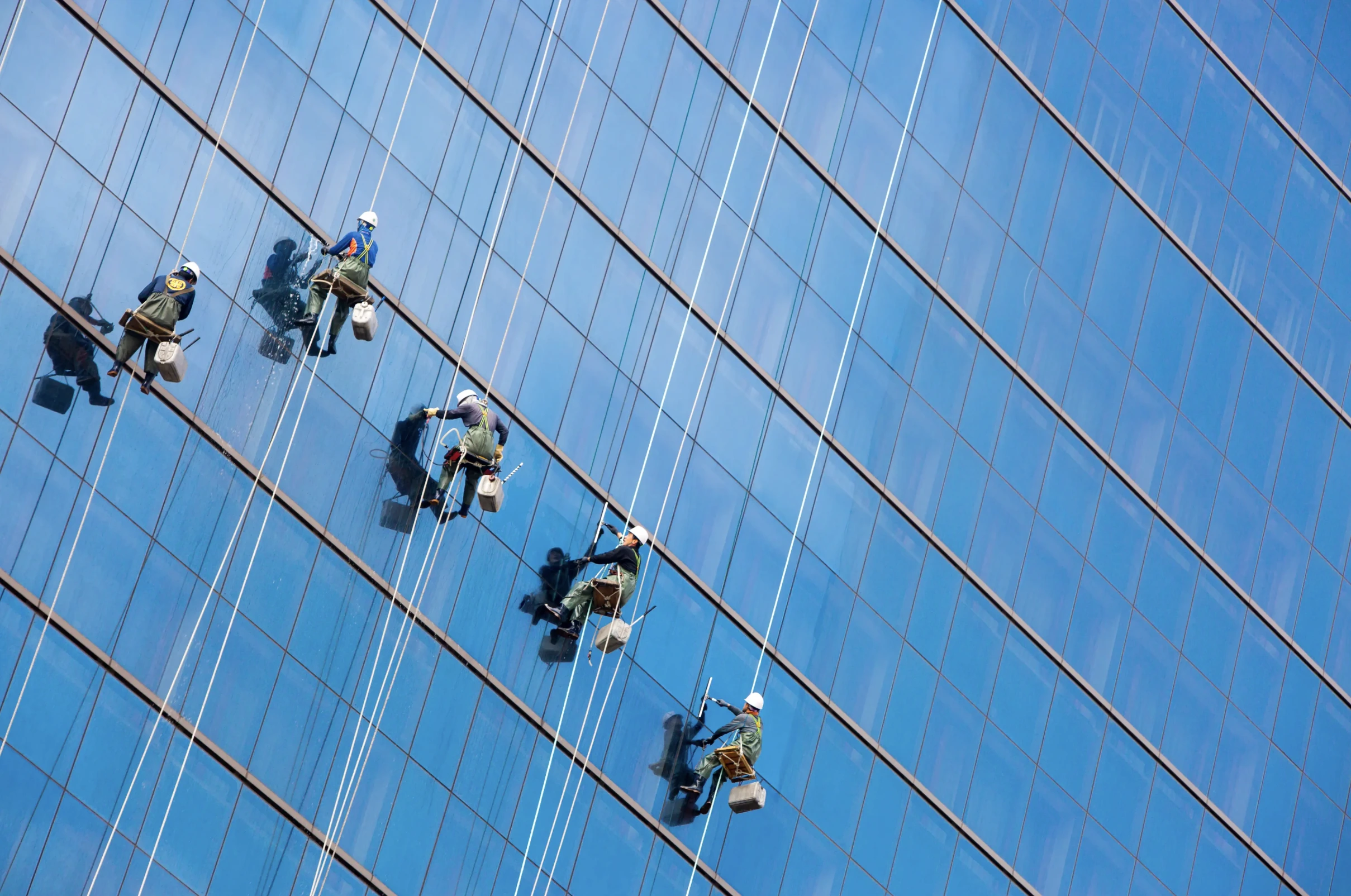
In these situations, rope access and abseiling techniques are the practical alternative. Trained operatives work from anchors at roof level, providing safe access to facades, windows and external structures without any ground-based equipment at all. Classic London provides both MEWP hire services and high-level abseiling and rope access, which means the access method can be matched to the building rather than defaulting to one approach regardless of suitability. For some sites, a combination of platform access at lower levels and rope access higher up is the most practical and cost-effective solution.
Compliance and Operator Qualifications
MEWPs are governed by the Work at Height Regulations 2005. Operators must be trained and competent to use the specific machine category on the specific site. IPAF (International Powered Access Federation) certification is the recognised industry standard in the UK and covers different machine categories. Operators should hold the appropriate IPAF card for the type of platform being used.
LOLER (Lifting Operations and Lifting Equipment Regulations 1998) requires that MEWPs used for lifting people are thoroughly examined by a competent person at least every six months. When engaging a contractor or hire company, current LOLER certificates should be available on request. Operators should also have received a site-specific briefing before using the machine, covering the ground conditions, working environment and any specific hazards on that site.
Common Mistakes in Access Planning
The most frequent problem is specifying a machine based on working height alone without considering outreach, ground conditions or access constraints. A boom lift that cannot be deployed because the ground is too soft, or a scissor lift that cannot reach the work area because it has no horizontal extension, is the wrong machine regardless of its maximum height rating.
A second common issue is underestimating setup time. Spider lifts and specialist platforms take longer to position, stabilise and commission than standard scissor lifts on a clear indoor floor. If this is not factored into the programme, it creates pressure on the day and can lead to shortcuts in setup that affect safety.
Load capacity is also frequently underestimated. The maximum load of a MEWP includes the weight of all operatives, tools, materials and equipment on the platform at the same time. Exceeding that limit creates a serious risk of instability. Always calculate the actual working load before confirming which machine is needed.
Choosing the Right Platform Before the Job Starts
The right MEWP for a job is not the one with the highest working height or the lowest hire rate. It is the one that can be safely deployed on the available ground, reach the actual work area, carry the required load, and be operated by a qualified person within the constraints of the site. Getting that match right before the job starts prevents delays, reduces cost, and removes the risk of arriving on site with the wrong machine.
For MEWP hire in London and across the South East, Classic London can help identify the most appropriate platform for the task and site conditions. Where conventional access platforms are not suitable, high-level abseiling and rope access is available as an alternative. To discuss access requirements for a planned programme or a specific site, speak with the Classic London team