


What's the MEWP Hiring Cost? Understanding Access Platform Hire Rates
MEWP hire costs vary considerably depending on the platform type, hire duration, site conditions and whether an operator is included. This guide explains what drives access platform hire rates so facilities managers and property teams can budget accurately and avoid unexpected costs on the day.
When budgeting for work at height, access platform hire is often the line item that causes the most uncertainty. The price of scissor lift hire, boom lift hire or spider lift hire varies considerably depending on the type of machine, the hire duration, site conditions, and whether an operator is included in the package. Without understanding what drives those differences, it is difficult to know whether a quote represents fair value or whether the specification is right for the job.
This guide explains the main factors that affect MEWP hire rates, what typical hire costs look like across different platform types, and where the hidden costs tend to appear.
If you are still working out which type of platform you need before thinking about cost, our guide on choosing the right MEWP for the job covers that decision first.
Why MEWP Hire Rates Vary So Much
Access platform hire rates are not standardised across the industry. Two quotes for what appears to be the same machine can differ significantly, and the reasons are not always obvious from the quote itself. The main variables that affect price are the platform type and specification, the hire duration, whether an operator is provided, transport and delivery costs, and any additional requirements specific to the site.
Understanding each of these before requesting quotes makes it easier to compare like with like and avoids situations where a lower headline rate turns out to be more expensive once all the additional costs are accounted for.
How Platform Type Affects Cost
Different MEWP types carry different hire rates, broadly reflecting their complexity, size and the demand for each machine category.
Electric scissor lifts are the most commonly hired platform for commercial and facilities work and tend to carry the most competitive rates as a result. They are widely available, straightforward to operate on suitable surfaces, and well suited to the internal maintenance programmes that make up a large proportion of commercial building work. Scissor lift hire is typically the starting point for any access budget.
Rough-terrain scissor lifts carry higher rates than electric indoor models. They are heavier, more complex machines designed for outdoor and uneven surfaces, and the hire pool is smaller than for standard electric models.
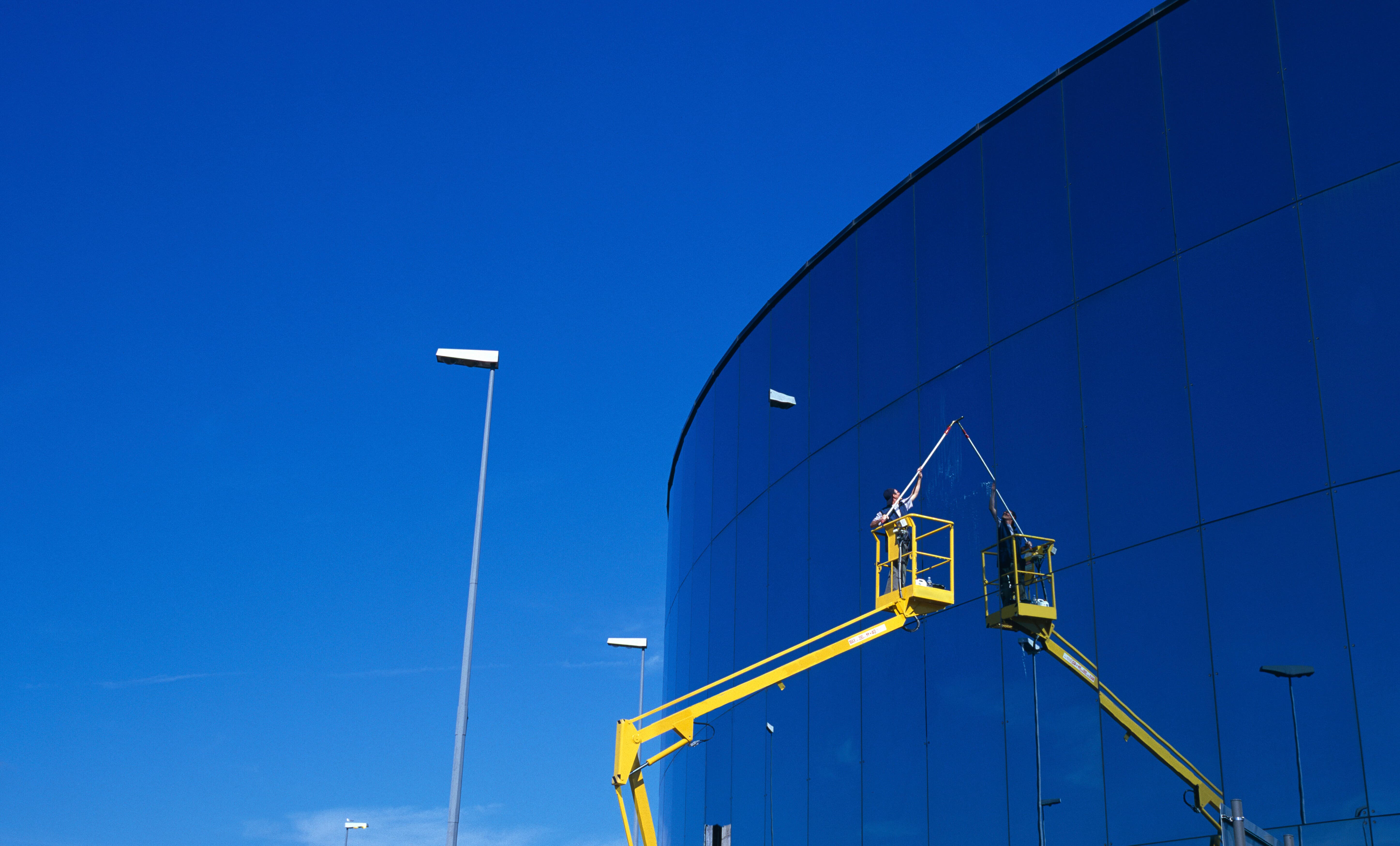
Boom lifts are priced higher than scissor lifts across the board, reflecting their greater reach capability and more complex specification. Articulated boom lifts, which can work around obstacles, tend to be priced above telescopic models of a similar working height. Boom lift hire in London for external commercial work is one of the more significant access costs in a planned maintenance programme.
Spider lifts sit at a premium end of the hire market relative to their size. Their specialist capability, compact footprint and ability to work in restricted or uneven environments makes them less commoditised than scissor lifts, and availability is more limited. For jobs where a spider lift is the only practical option, the hire rate reflects that.
Cherry pickers and vehicle-mounted platforms vary widely in cost depending on the height specification, the vehicle required, and whether road permits are needed for the deployment location.
How Hire Duration Affects the Rate
MEWP hire is typically priced on a daily, weekly or longer-term basis. Daily rates are the highest per-unit-of-time option and are appropriate for short, single-day tasks. Weekly rates offer better value for jobs that will take several days, and most hire companies price weekly hire at considerably less than five times the daily rate.
For planned maintenance programmes where access equipment is needed on a recurring basis, longer-term hire arrangements or ongoing contract hire can reduce the cost per day significantly compared to repeated short-term bookings. If scissor lift hire or boom lift hire is a regular requirement for a managed building or portfolio, it is worth discussing a programme rate with the contractor rather than booking each visit individually.
Weekend and out-of-hours hire may carry a premium depending on the company and the machine category. If work needs to be carried out outside standard hours to avoid disruption to building occupants, this should be confirmed at the quote stage rather than assumed to be included in the standard rate.
Operated Hire vs Dry Hire
One of the most significant cost variables in access platform hire is whether an operator is included. The two options are commonly referred to as operated hire and dry hire.
Dry hire means the machine is delivered to site without an operator. The hiring party is responsible for providing a trained, competent operative to use the machine. Dry hire rates are lower, but they require the organisation to either have IPAF-qualified operatives available or to source them separately. For facilities teams with trained staff, dry hire can be cost-effective. For those without, the saving on the machine rate is offset by the cost of sourcing a qualified operator.
Operated hire includes a trained operative with the machine. The hire company takes responsibility for operating the platform safely and in compliance with the relevant regulations. For most commercial property and facilities management work, operated hire is the more practical option because it removes the burden of qualification, supervision and compliance from the client.
When comparing quotes, always confirm which basis the price is on. A dry hire rate that appears competitive against an operated hire quote is not a straightforward saving if an operator still needs to be sourced.
Transport, Delivery and Collection
Delivery and collection of the machine to and from site is not always included in the headline hire rate. For work in London and the South East, transport costs vary depending on the machine size, the distance from the hire company's depot, and any access or permit requirements for the delivery vehicle.
For large machines such as boom lifts, the delivery vehicle itself may require advance planning if the site is on a restricted road, in a controlled parking zone, or in an area where large vehicles need prior notification to the local authority. These logistics should be discussed and agreed at the quote stage, not left as an assumption on either side.
For MEWP hire in London specifically, central and inner London locations often carry higher delivery costs than suburban or out-of-town sites due to congestion, permit requirements and the practical constraints of manoeuvring large equipment in dense urban environments.
Site-Specific Costs to Account For
Beyond the machine hire rate itself, there are several site-specific factors that can add to the overall cost of an access programme if they are not identified and planned for in advance.
Ground preparation: If the site surface needs to be assessed, cleared or prepared before a machine can be safely deployed, this adds time and potentially cost to the programme. Ground protection mats, for example, are sometimes needed to distribute the load of a heavy machine over surfaces that would not otherwise support it safely.
Permits and access arrangements: Work on public roads or in areas subject to parking or movement restrictions may require permits that carry a fee and require advance application. In London, this applies to a significant proportion of external commercial work.
Exclusion zones and traffic management: For work in areas with pedestrian or vehicle traffic, temporary exclusion zones or traffic management may be required. This is a safety and compliance requirement rather than an optional extra, and the cost should be factored into the programme budget.
Out-of-hours surcharges: As noted above, work carried out outside standard hours typically carries an additional cost. For buildings where daytime access is restricted due to occupancy, this is worth confirming early.
When a MEWP Is Not the Most Cost-Effective Option
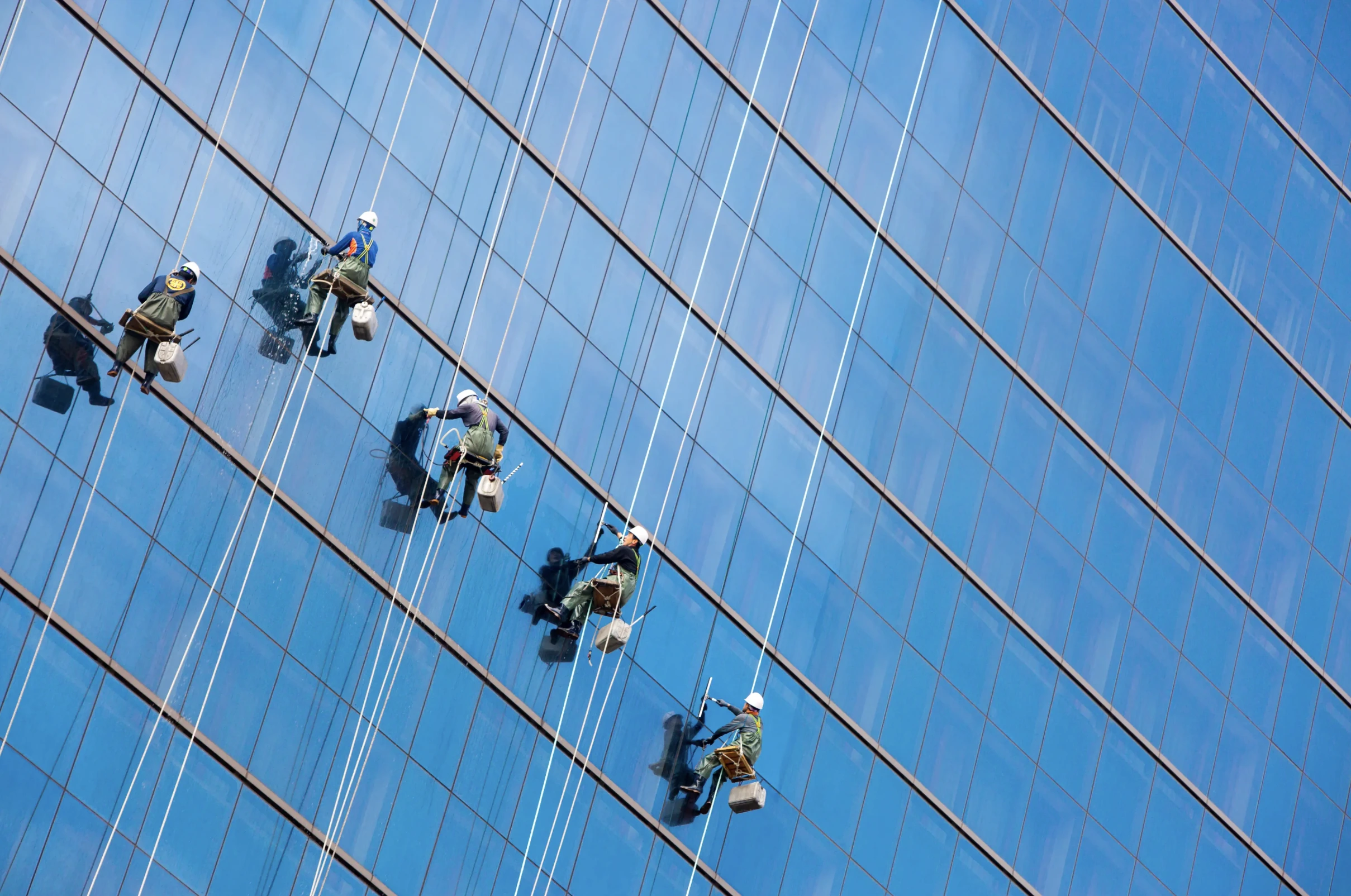
For some buildings and some tasks, a ground-based access platform is not the most practical or cost-effective solution regardless of the hire rate. Very tall buildings, structures with restricted perimeter access, or facades where no stable deployment position exists may be better served by abseiling and rope access rather than platform hire.
For high-rise commercial window cleaning and facade maintenance in London, rope access often represents better value than attempting to deploy large platform equipment in constrained urban environments, particularly when the building's height means that even large boom lifts cannot reach the full facade. Classic London provides both MEWP hire services and rope access, so the access method can be specified on the basis of what is genuinely most appropriate for the building rather than what the contractor happens to offer.
Frequently Asked Questions
How much does scissor lift hire cost in the UK?
→ Scissor lift hire rates vary depending on the machine specification, hire duration and whether an operator is included. Electric indoor scissor lifts are generally the most competitively priced category. Daily rates for standard electric models start from around £150 to £250 for dry hire, with operated hire priced higher. Weekly rates offer considerably better value for jobs that run across multiple days.
What affects the cost of boom lift hire in London?
→ The main factors are the working height and outreach specification of the machine, the hire duration, whether an operator is included, transport costs to the site, and any permit or access requirements specific to the location. Central London sites typically carry higher delivery and logistics costs than suburban locations.
Is operated hire always more expensive than dry hire?
→ The operated hire rate is higher than dry hire for the same machine because it includes the cost of a qualified operative. However, if dry hire requires the client to source and pay for a separate IPAF-qualified operator, the total cost may be similar or higher than a straightforward operated hire arrangement. Always compare total cost rather than machine rate alone.
How far in advance should MEWP hire be booked?
→ For standard scissor lift hire, one to two weeks is generally sufficient for planned work. For specialist machines such as spider lifts or large articulated boom lifts, earlier booking is advisable, particularly for work in London where machine availability and delivery logistics require more lead time. For recurring programmes, a longer-term arrangement with a regular contractor is more cost-effective than repeated short-notice bookings.
Are there additional costs for MEWP hire in central London?
→ Yes, in many cases. Delivery and collection to central London sites can carry a premium due to congestion, parking restrictions and permit requirements for large vehicles. Work on public roads or in controlled zones may require permits that add to the overall programme cost. These should be identified and included in the quote rather than treated as variables on the day.
What is the difference between access platform hire rates for indoor and outdoor machines?
→ Electric indoor scissor lifts are generally priced lower than rough-terrain or diesel outdoor platforms of comparable working height. Outdoor machines are heavier, more complex, and available in smaller numbers, which is reflected in the hire rate. Boom lifts for external work carry higher rates than indoor scissor lifts of a similar height because of their outreach capability and greater specification.
Budgeting Accurately for Access Platform Hire
The most reliable way to budget for MEWP hire is to specify the job properly before requesting quotes: the machine type needed, the hire duration, whether an operator is required, the site conditions, and any access or permit requirements specific to the location. A quote based on a clear, accurate specification is a meaningful number. A quote based on a vague description is not, and the difference tends to show up as unexpected costs once the work is underway.
For planned maintenance programmes, discussing a programme rate rather than booking individual visits separately will generally produce a better cost outcome over time. Classic London provides MEWP hire services across London and the South East, including operated hire for facilities teams who need a qualified operative provided with the machine. To discuss access requirements or get a quote for a planned programme, speak with the Classic London team.