



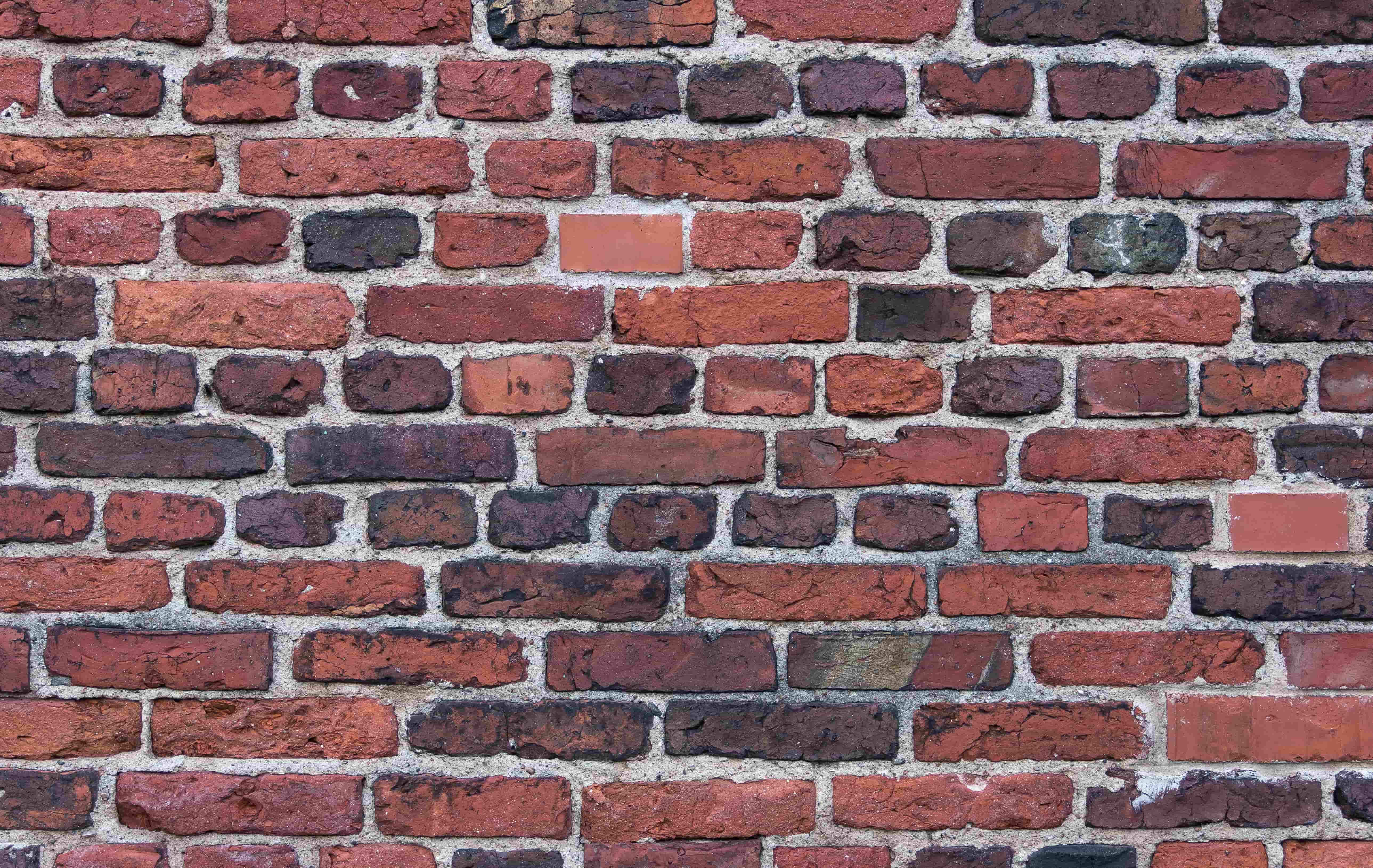
How much does repointing cost for a commercial building in London
Repointing cost on a commercial building depends on far more than the area of wall. Mortar, access and the condition of the masonry decide the price, and this guide explains how to budget for it.
The repointing cost for a commercial building rarely comes down to a single rate, because it depends on what the masonry is made of, how it is reached and how much of the pointing has actually failed. For facilities managers, landlords and managing agents, the key questions are how much repointing will cost, what drives the price and how to budget for repairs before small defects spread.
Published guides to repointing cost in the UK are mostly written for houses, which is why their numbers seldom carry across to a commercial elevation.
Repointing in London adds a further layer, because older commercial stock is common. Many buildings were built with lime mortar and softer brick or stone, and the repair has to suit the original construction. This guide sets out what shapes the price, when repointing is the right response and how to plan for it as part of a wider maintenance programme.
Why repointing cost varies so widely on commercial buildings
Pointing is the exposed mortar between bricks or stones. It helps protect masonry joints from weathering while allowing appropriate moisture movement through the wall. When it fails, water enters the joints and, over time, the masonry behind them. Repointing replaces the failed mortar, but the amount of work depends on how widespread the failure is, which is rarely clear from the ground.
For this reason, a reliable figure cannot be given from a building type and a postcode. Two elevations of the same size can differ greatly in repointing brickwork cost because of height, exposure, existing mortar and the way earlier repairs were carried out. A survey of the actual wall, followed by a written quote, is the only dependable starting point for any repointing cost in London.
What decides the repointing cost on a commercial facade
Most of the difference between one quote and another comes from six factors. The table below shows what each one means in practice and what to ask the contractor about it.
Factor | How it affects cost | What to ask |
|---|---|---|
Extent of failed pointing | The area and the proportion of joints that need work are the biggest influence on labour and materials | Whether the survey measured the actual area, or assumed it |
Mortar type | Lime and cement mixes differ in materials, preparation and curing time, and the wrong choice can damage the wall | Which mortar is proposed, and why it suits the masonry |
Brick or stone | Brickwork often has more uniform joints, while irregular stonework may require additional time and specialist techniques. Actual costs depend on the masonry and its condition | Whether the contractor has worked on this masonry before |
Access | Scaffold, access platforms and rope access carry very different costs, and access can be a large share of the total | Which method is proposed and what it adds |
Condition and raking out | Hard old mortar, deep decay and earlier cement repairs take longer to remove | How the mortar will be removed without damaging the masonry |
Building age and status | Older and listed buildings may need specialist methods, consents and slower work | Whether any consents or specialist input are needed |
How mortar choice affects both cost and the life of the wall
The mortar used in repointing should suit the masonry around it. Many older buildings were built with lime mortar, which is softer and allows the wall to move and release moisture. Modern cement mortar is harder and less permeable, and when it is used in the wrong place it can trap moisture and push the damage into the brick or stone itself.
Historic England's guidance on repointing brick and stone walls makes the same point, noting that unsuitable repointing is one of the most common causes of harm to older buildings. This applies equally to brick repointing in London on older commercial buildings, where the original mortar is often softer than modern mixes.
Lime repointing can cost more at the outset because it needs skilled labour, careful matching and longer curing, but it protects the masonry and avoids the cost of repairing damage later. A cheaper quote that proposes the wrong mortar is rarely the cheaper option over the life of the building.
How access and scaffolding change the price
On a commercial building, access is usually one of the largest single items. Low elevations can be reached from a tower or a platform, while taller or irregular walls may need full scaffold, a mobile elevating platform or rope access. Each method has its own set-up cost, hire period, permits and safety planning.
The practical consequence is that repointing is often cheaper when work is grouped into one visit with access already in place. If an elevation is already scaffolded for another purpose, adjacent repairs can be done at much lower additional cost. Where an access platform suits the elevation, MEWP hire is often a more flexible option than full scaffold for short or localised repairs, and the choice of method is worth settling with the contractor before the quote is compared.
When repointing is enough and when stone restoration is needed
Repointing is rarely needed across a whole building. In many cases only the most exposed areas, or the places affected by leaking gutters or pipes, have failed, and sound mortar is better left alone. A survey will show whether localised repair is enough or whether a full elevation needs attention.
Where the stone or brick itself has decayed, repointing alone is not enough, because new mortar cannot hold in a failing unit. Cracked, eroded or spalled masonry needs repair or replacement first, which belongs to stone restoration and not to pointing alone. This guide to stone restoration in London explains how that work differs and when it is required.
How to plan repointing into a maintenance budget
Repointing is easiest to afford when it is planned. A condition survey of each elevation, repeated every few years, shows which areas are deteriorating and allows the work to be phased across budget years rather than carried out in one expensive programme. It also means problems are found while the repair is still small and the access can be shared.
Cleaning can help, because a clean elevation shows the true condition of the joints, which is one reason a survey often follows a clean, as explained in this article on what facade cleaning involves on a commercial building. Including repointing in a wider property maintenance plan also allows access to be shared between tasks, which reduces the cost of each. Putting the work off rarely saves money, because water entering through failed joints can lead to damp, frost damage and more extensive masonry repair.
What to include when asking for a repointing quote
Quotes can only be compared when they are based on the same information. A consistent brief makes the prices easier to read and shows which contractors have understood the building.
The address, the building type and the approximate height of each elevation.
The masonry type, the age of the building and any listing or conservation status.
Photographs of the areas where pointing has failed.
Whether the quote should cover a survey, a full elevation or a localised repair.
Whether access, labour and materials should be priced separately.
Any restrictions on working hours, noise or access.
Common mistakes when budgeting for repointing
Comparing quotes without comparing mortar is the most common error, because a low price using cement is then set against a higher one using lime for the same wall. Repointing every joint when only some have failed adds cost and removes sound mortar. Ignoring the cause, such as a leaking gutter, means the new pointing fails again within a few years. There is also the matter of records: without dated photographs and measurements, it is hard to plan the next phase or show that the building has been maintained.
Getting a clear repointing quote for a commercial building
Where a building shows eroded joints, damp staining or no record of when the pointing was last inspected, a survey is usually the quickest way to establish the true scope and cost.
Classic London's stone restoration and property maintenance teams work with property managers and managing agents across commercial buildings, and can advise on whether repointing, localised masonry repair or cleaning is appropriate for the facade, and how the work can be planned around building access requirements. For a specific building, it is usually quickest to speak with the Classic London team directly.
Common Questions
Everything you need to know about our services and processes