



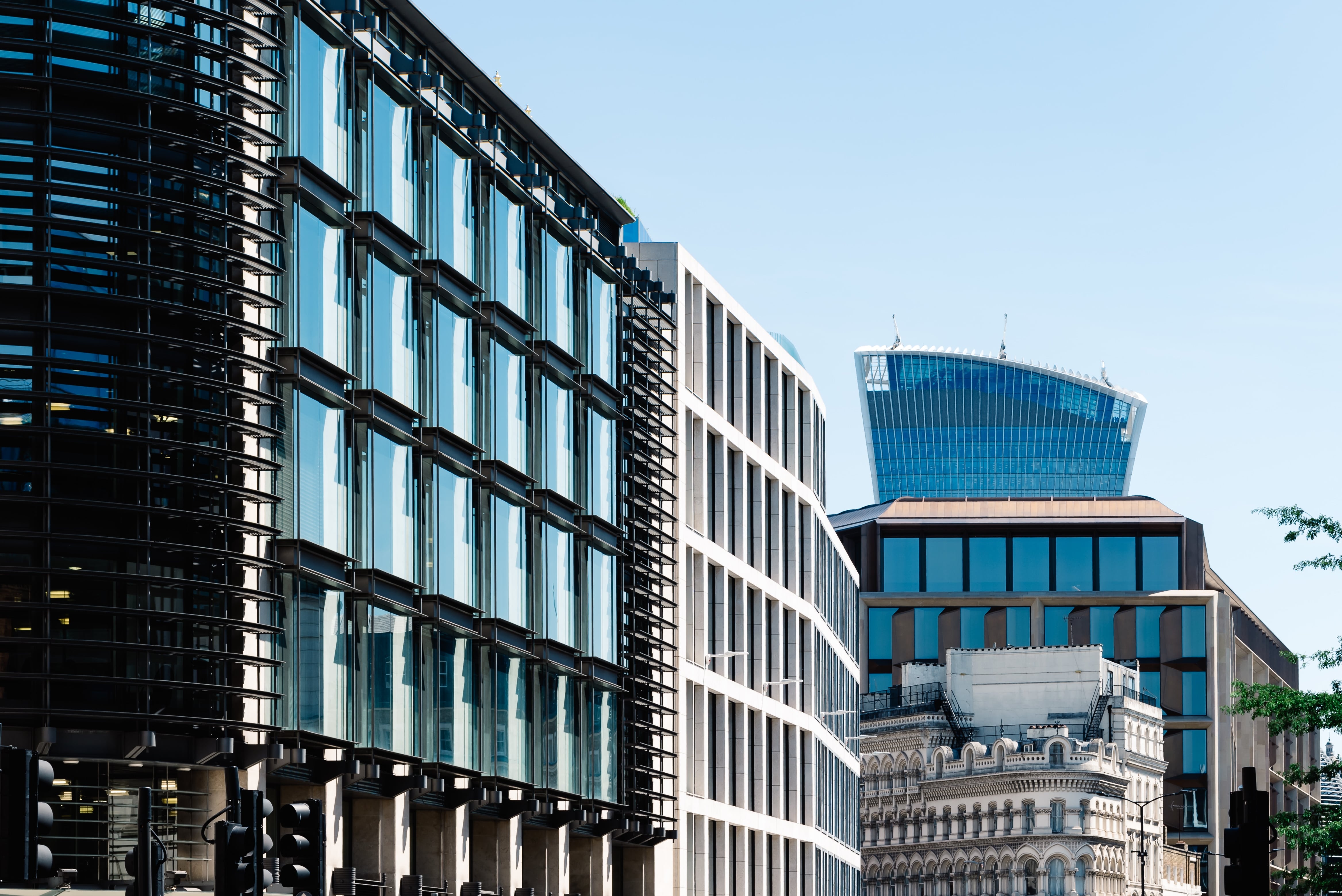
Why First Impressions Matter in Commercial Buildings at the Start of a New Year
The start of a new year is when people notice their surroundings most. From entrances to shared spaces, first impressions play a bigger role in how commercial buildings are perceived.
As January rolls around and people return from holiday breaks, there is a universal sense of resetting and taking stock. Managers think about budgets, staff come back with fresh eyes, and prospective clients are keen to see signs of momentum.
In commercial real estate this presents an opportunity that goes beyond simple housekeeping. It’s a chance to make sure your property tells the right story at the very moment when impressions are formed fastest and, as research has shown, when those impressions have long‑lasting effects on trust and spending.
This article explores how first impressions work in the context of commercial buildings, why they are especially powerful at the start of the year, and what practical steps can help a property start the new year on the right foot.
How first impressions shape expectations
When people approach a building their brains go to work, often without conscious thought, to decide how they feel about what lies inside. Studies suggest that this process takes only a few seconds and is driven primarily by visual cues – a process not unlike the way we make up our minds about people we meet.
A clean facade, freshly painted signage and well‑trimmed plantings signal professionalism, care and stability, whereas chipped paint, dirty glass and littered walkways can undermine confidence before any words are exchanged.
In fact, surveys of shoppers and office visitors show that the external appearance of a building influences whether they will step inside at all; more than half of people admit to avoiding a business with a neglected exterior and almost forty per cent say they will not enter a space that simply does not look like somewhere they would usually visit.
These snap judgments may feel superficial, yet they set expectations for the entire customer journey and even shape how employees feel about their workplace.
The exterior isn’t the only part that matters. The transition from outdoors to indoors continues the story, and details like lobby lighting, clean floors, uncluttered reception desks and fresh air reinforce or undermine the initial reaction.
People notice more than managers often realise: the parking area, the pathway to the entrance, the clarity of signage, the smell and even the presence of greenery all contribute to a feeling of welcome and order. When these details are aligned, the building tells a coherent story that primes visitors to expect competence and quality. If the details are inconsistent – such as a polished facade leading to a dark or cluttered lobby – the disconnect can be jarring and may prompt visitors to question whether the business is as organised as it appears from the outside.
Why January magnifies these effects
There are two reasons first impressions carry extra weight at the start of a new year. First, many people return to work after a break with heightened awareness. They notice things that might have faded into the background over time and they subconsciously assess whether the environment feels refreshed or neglected. This is true for employees and clients alike; a person who was comfortable in December might walk into a dusty lobby in January and suddenly feel that something is off.
Second, the beginning of the year is often when companies negotiate leases, set budgets and kick off new projects, which means key decision‑makers are visiting properties. An unkempt entrance or neglected landscape can send a subtle signal that maintenance is not a priority and, by extension, that the organisation may lack discipline in other areas.
These seasonal dynamics make January the ideal month to audit the visible elements of a building and address any issues that might detract from its professional image. Rather than undertaking a major renovation, small targeted improvements can make a big difference. A fresh coat of paint on walls and trim, pressure washing the paving, replacing tired signage and ensuring outdoor lighting works properly all contribute to a sense of renewal.
Even interior décor choices, such as swapping worn rugs for crisp ones or adding greenery to soften hard surfaces, reinforce the message that the building’s occupants care about their space and, by extension, about the people who use it.

Key elements that shape first impressions
The checklist below summarises some of the most influential elements visitors notice. By reviewing these areas, facilities managers can decide where to focus their efforts for maximum impact:
Element | Why it matters | Quick win |
Entrance and walkway | Clean, well‑lit paths signal safety and accessibility; clutter or uneven surfaces create anxiety and can be a trip hazard. | Sweep and pressure wash paths, repair cracks, ensure lighting works, and remove temporary signage. |
Glass and façades | Sparkling windows convey transparency and professionalism; dirty glass can reduce natural light by up to 40 %, making interiors feel gloomy and neglected. | Schedule regular window cleaning, including high‑level access for upper floors, and check for chipped paint. |
Signage and wayfinding | Clear, well‑designed signs make it easy for visitors to find reception areas and signal that the business pays attention to details. | Replace faded signs, update brand colours, and ensure lighting highlights directional cues. |
Landscaping | Manicured lawns, trimmed shrubs and seasonal planting soften hard architecture and create a welcoming atmosphere; overgrown plants and weeds imply neglect. | Prune shrubs, remove dead branches, plant hardy flowers or evergreens for winter colour, and tidy any litter. |
Reception and lobby | The first indoor space sets the tone; tidy desks, fresh air and good lighting assure visitors they are in capable hands. | Declutter reception, polish surfaces, replace worn mats and ensure fresh scents or natural fragrances. |
The cost of a poor first impression
One of the most compelling reasons to invest in building appearance is the financial impact of neglect. A negative first impression doesn’t only deter potential customers or tenants; it can also reduce property value and increase operating costs.
Consider how much more expensive emergency repairs are compared with planned maintenance. A leaking gutter ignored over winter might lead to damp walls, requiring extensive repairs and causing disruption.
Likewise, grime on windows forces occupants to rely on artificial lighting, increasing energy consumption. Meanwhile, poorly lit entrances and slippery pathways raise the risk of accidents, which can lead to legal claims and insurance increases.
From a commercial perspective, it is far more cost‑effective to budget for regular upkeep and aesthetic refreshes than to face major repairs and reputational damage later.
The table below illustrates the difference between proactive upkeep and reactive fixes. The figures are illustrative but reflect typical ratios identified by facilities management research:
Scenario | Proactive maintenance cost | Reactive repair cost | Long‑term impact |
Regular window cleaning and facade washing | Low–moderate; scheduled quarterly or bi‑annually | High when neglected; emergency cleaning or replacement of damaged seals | Maintains natural light and energy efficiency, preserves property value |
Landscaping and grounds maintenance | Predictable cost for pruning, mowing and seasonal planting | High if ignored; tree removal, paving repairs and injury claims | Enhances curb appeal, reduces safety risks, supports biodiversity |
Lobby refresh and interior painting | Reasonable cost for paint and minor décor updates | Expensive if left too long; full refurbishments or tenant churn | Enhances occupant satisfaction and reinforces brand identity |
Signage upkeep and lighting checks | Minimal cost for bulb replacements and cleaning | High if left unattended; rewiring, sign replacement and wayfinding confusion | Improves wayfinding, enhances security and brand visibility |
From perception to reality: building identity and trust
Beyond the tangible costs, a building’s appearance communicates values and identity. A crisp exterior with consistent colours that match a company’s branding can silently tell passers‑by what the business stands for.
Architectural details and landscaping choices often hint at whether a company is modern and innovative or rooted in tradition. This narrative continues inside, where furniture placement, natural light and colour palettes influence mood and productivity. For example, inviting seating arrangements in the lobby can encourage conversations, while strategic use of plant displays reduces stress and improves air quality. By aligning these elements, a property fosters a coherent experience that builds trust, which is particularly important when companies are trying to attract new clients or retain tenants in a competitive market like London.
At the start of the year, many decision‑makers are evaluating not only physical spaces but also partnerships. They look for service providers who demonstrate reliability, safety and environmental consciousness. Investing in a well‑presented building signals that the organisation values these qualities. When a maintenance team can point to an impeccable facade, well‑lit entrances and tidy landscapes, they provide tangible proof of their professionalism. This proof is crucial when negotiating contracts or presenting proposals to potential tenants.
It also has a positive effect on staff morale, as employees feel proud to work in a place that looks cared for and reflects their own standards.
Practical steps to prepare for a new year
Creating a strong first impression does not require a complete redesign; it requires planning and consistency. Below are simple yet effective steps property managers can take ahead of a new year to ensure their buildings send the right signals:
Conduct a visual audit: Walk through your property as if you were a visitor, starting from the street. Notice any chipped paint, litter, burnt‑out bulbs or worn signage. Use a checklist to record issues and prioritise fixes.
Plan a maintenance calendar: Schedule regular window cleaning, landscaping visits and pressure washing. By spreading costs across the year, you avoid big bills and keep standards high. Consider seasonal tasks such as clearing leaves in autumn, gritting paths in winter and planting flowers in spring.
Coordinate interior updates with exterior work: When painting or decorating inside, choose colours that complement your facade and branding. Refresh reception areas, meeting rooms and washrooms with new paint, modern furniture or simple décor such as artwork or plants.
Review lighting and signage: Check that all outdoor lights work and that signs are legible in both daylight and darkness. Replace or repaint signs that have faded, and consider adding subtle lighting to highlight entrances and pathways.
Engage professionals for specialised tasks: High‑level window cleaning, façade restoration and plant display management require expertise and equipment. Partnering with a company like Classic London ensures work is carried out safely and to a high standard.
Conclusion: a small change with big returns
First impressions are powerful because they set expectations. In a commercial property, those expectations can influence everything from customer choices to employee satisfaction and investor confidence.
The start of a new year amplifies these effects because people’s senses are heightened and budgets are under review. By focusing on the visible elements of a building – from the walkway to the reception desk – managers can send a clear message about their commitment to quality and care.
The investment required to polish these details is modest compared with the cost of rectifying damage, losing tenants or missing opportunities. With a thoughtful plan and the support of professional maintenance teams, a property can start the year looking its best, inviting visitors inside and setting the tone for a productive and prosperous twelve months ahead.
A strong first impression is built through consistent care and attention to detail. At Classic London, we support commercial spaces across the city by helping them stay clean, well-maintained and welcoming throughout the year.