



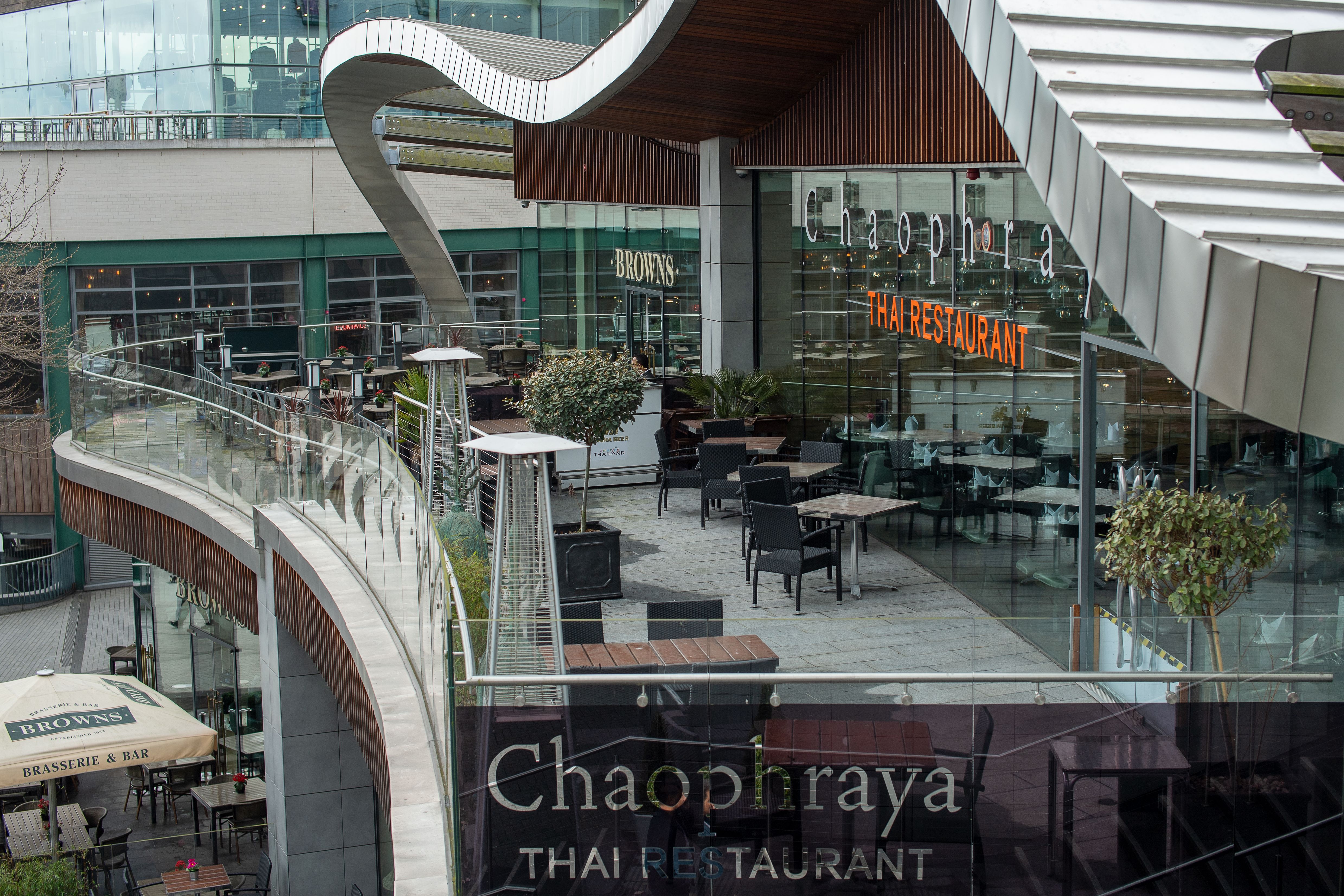
What retail cleaning needs to cover in a shop or shopping parade
Retail cleaning has to work around trading hours, heavy footfall and shared areas, which is why an office specification rarely fits a shop. Here is what a retail scope should cover.
Retail cleaning is the routine cleaning of shop floors, entrances, customer facilities and shared areas in retail property, scheduled around trading hours so that customers find a clean and safe environment whenever the doors are open. For commercial retail cleaning in London, that usually means long opening hours, steady footfall and a tight window between closing and opening. A scope written for an empty office rarely survives contact with a busy retail unit.
For landlords, managing agents and facilities teams, the standard of cleaning is also one of the most visible signs of how a retail property is run. Tenants notice it and so do shoppers, and a tired or untidy frontage tends to be blamed on whoever manages the building rather than on the cleaning contractor. That is why retail cleaning services in London are worth specifying carefully, even when the budget is modest.
Why retail cleaning differs from office cleaning
Offices are largely empty when cleaning takes place, which gives a contractor time, access and a predictable environment. Retail units do not work that way. Footfall continues until closing, stock and displays occupy much of the floor, and any cleaning done during trading has to stay out of the customer's way.
This changes what gets priority. Entrances, customer toilets, fitting rooms and the main shop floor take the most wear and are judged most quickly, so in a busy unit they need attention several times a day. Slip risk on wet or contaminated floors, particularly at entrances in poor weather, becomes a daily consideration rather than an occasional one. For this reason, retail unit cleaning is best planned around footfall patterns and not around a generic office schedule.
How trading hours shape the cleaning schedule
Most retail cleaning falls into three windows. Early morning cleaning before opening resets the unit and deals with anything left from the previous day. Light, discreet cleaning during trading keeps entrances, toilets and spillages under control. Out-of-hours cleaning after closing handles the heavier work, such as machine scrubbing of hard floors, detailed cleaning of fitting rooms and back-of-house areas, and waste removal.
Each window brings its own practical questions. Out-of-hours work needs agreed access, key holding and alarm procedures, along with clear arrangements for who reports damage or missing items. Early morning work has to be finished, and the floors dry, before the first customer arrives. In many cases the arrangement works best when the unit manager and the cleaning supervisor agree these details at the start, not after the first missed handover.
What a retail cleaning scope should include
A written scope removes most of the disagreements that arise later. Retail store cleaning services are normally specified area by area, and a retail cleaning checklist built on the table below gives the contractor and the property manager a shared reference. The frequencies shown are typical rather than fixed, since the right level depends on footfall and the type of retailer.
Area | Typical frequency | What it involves |
Entrances and glazing | Daily, with spot checks during trading | Door and threshold cleaning, internal glass at customer touch height, entrance matting |
Shop floor | Daily | Sweeping or vacuuming, with mopping or machine scrubbing of hard floors after closing |
Customer toilets and fitting rooms | Several times a day in busy units | Sanitising, restocking and floor care, with checks during trading |
Back-of-house and staff areas | Daily to weekly | Stockrooms, staff rooms, kitchenettes, bins and waste points |
Shared parts of a parade or centre | Daily | Stairwells, lobbies, service corridors and communal toilets |
External frontage and forecourt | Weekly, or more often where litter is a problem | Litter picking, sweeping and washing of paving and shopfront surrounds |
What to ask a contractor before agreeing a retail cleaning contract
A short set of questions usually shows quickly whether a contractor understands retail work.
How will the cleaning be split between early morning, trading hours and after closing?
How are access, key holding and alarm handling managed for out-of-hours visits?
What is the plan for wet-weather entrances and spillages during trading?
How are standards inspected and reported to the property manager, and how quickly are defects corrected?
Which periodic tasks, such as floor restoration or external washing, sit inside the contract and which are priced separately?
How shared responsibility works in a parade or centre
In a shopping parade, responsibility for cleaning is typically divided between the landlord or managing agent, who oversees shared areas, and individual tenants, who manage cleaning within their own units. The exact responsibilities and service charge arrangements depend on the lease.
The boundary is not always obvious, and gaps appear where entrances, shared walkways and bin stores meet. Tenants notice these gaps first, and they usually raise them with the managing agent rather than with the contractor.
Shopping centre cleaning works best when a single contractor is responsible for the shared areas against a clear specification, which keeps the standard consistent from one end of the parade to the other. The detail of what shared areas should include is covered in this guide to what communal area cleaning should cover in a managed building.
For managing agents responsible for several retail sites, the same approach also makes reporting and cost comparison simpler, since the specification is written once and applied to each property.
Periodic tasks that daily cleaning does not cover
Routine cleaning keeps a unit presentable, but it does not reverse the wear that builds up over months. Hard floors lose their finish under constant footfall and may require periodic polishing or restoration, usually carried out outside trading hours. Our guide to commercial floor care explains how to plan this work.
Shopfront glazing needs regular commercial window cleaning, and forecourts, paving and shopfront surrounds benefit from pressure washing where staining and chewing gum build up.
Planning these tasks into an annual schedule, rather than treating them as reactive extras, keeps the appearance of the property steadier. It also avoids last-minute work when a lease event, an inspection or a refurbishment is close.
Common mistakes in retail cleaning contracts
The most frequent mistake is a specification copied from an office contract, which leaves busy areas under-served and quiet areas over-served. The second is leaving out-of-hours access and key holding vague, which delays the first clean and leaves nobody accountable when something goes missing. The third is treating customer toilets and fitting rooms as routine tasks when they are the areas customers judge most harshly. A fourth, quieter problem is the absence of any inspection routine, since without one the standard drifts gradually and is only noticed when a tenant complains.
Getting a retail cleaning specification agreed
Where a shop or parade is changing contractor, or the current scope was written for a different kind of building, a short review of footfall, opening hours and shared areas is usually the quickest way to reset the specification.
Classic London's commercial cleaning team works with property managers and managing agents across commercial and mixed-use buildings, and can advise on how shop cleaning in London would fit around trading hours. For a particular property, it is usually quickest to speak with the Classic London team directly.
Common Questions
Everything you need to know about our services and processes