



The True Cost of Neglect in Commercial Property Maintenance
Discover 7 hidden risks of skipping property maintenance, from rising repair costs to lost tenants and safety issues, and learn how to protect your building’s value.
The true cost of neglecting property maintenance rarely shows up immediately on a P&L, but over time it quietly erodes the value, safety and performance of your building. For owners and managers of commercial properties in London, skipping maintenance doesn’t really save money - it simply stores up bigger, more disruptive costs for the future.
1. Escalating repair bills and capital shocks
Most serious building problems start as something small: a minor leak around a window, a blocked gutter, a cracked tile, a worn seal. Left alone, these issues spread into something far more expensive.
Water that creeps in through failed seals or blocked gutters can lead to damaged ceilings, warped floors and even structural issues. What could have been remedied with a simple repair becomes a full strip-out of affected areas. Reactive call-outs are also more expensive than planned visits, especially when they happen out of hours or affect critical areas like receptions or plant rooms. Instead of a controlled maintenance budget, you end up facing unpredictable capital shocks that hit cashflow and disrupt occupiers.
2. Asset value erosion and lower valuations
From the street, neglect is hard to hide. Dirty façades, stained cladding, scuffed walls and tired common areas send a clear signal to surveyors, investors and potential occupiers that a building has not been looked after.
When valuers inspect a commercial property, they assess not just current condition but also likely future costs. Visible wear, signs of leaks, poor records and accumulated minor defects all translate into higher assumed future expenditure. That usually means a lower capital value or tough conversations during sale, refinancing or rent review. By contrast, a building with a strong maintenance history and well-presented common areas supports stronger valuations and gives potential buyers or lenders more confidence.
3. Health, safety and legal exposure
Neglected maintenance doesn’t just affect how a building looks - it also increases health and safety risks for the people who use it every day. Worn or loose floor coverings, poor lighting and damaged handrails raise the chances of slips, trips and falls. Blocked ventilation, damp patches and mould can contribute to poor air quality and respiratory issues. Cracked tiles, damaged steps and leaking roofs all create hazards that are easy to avoid with timely attention.
When something goes wrong, the question will quickly turn to whether the issue could reasonably have been prevented. Poor maintenance records, unanswered reports and visible long-term neglect can all weaken your position if you face claims or regulatory scrutiny. Fire doors that don’t close properly, neglected emergency lighting and poorly maintained escape routes are particular red flags that can lead to enforcement action and serious reputational damage.
4. Tenant dissatisfaction and higher void rates
For tenants, the condition of your building is a daily experience. Dirty common areas, unreliable services and visible wear all feed into how they feel about occupying your space and whether they choose to stay when their lease ends.
Common complaints that trace back to poor maintenance include washrooms that never quite feel clean, malfunctioning lifts, draughty meeting rooms, stained carpets in corridors and windows that stay dirty for weeks. Over time, these frustrations add up. Tenants start to see the building as second-rate, talk to colleagues about moving and become more price-sensitive at renewal. That can mean shorter leases, more incentives to keep them, and ultimately higher void rates as occupiers look for better-maintained alternatives.
5. Increased operational costs over time
Skipping maintenance rarely reduces costs in the long run; it usually makes the building more expensive to operate. When plant and equipment are not serviced properly, they have to work harder to achieve the same result. HVAC systems run longer to overcome clogged filters or leaking ductwork. Pumps and motors draw more power than they should. Doors and windows that aren’t properly sealed let conditioned air escape, increasing heating and cooling loads.
At the same time, a reactive approach typically generates more call-outs for small, avoidable issues. Engineers spend more time solving emergencies that could have been prevented with simple checks. Cleaning teams have to work harder to deal with ingrained dirt or staining that routine care would have prevented. Energy bills rise, labour costs creep up and the building drifts further away from sustainability and efficiency targets.
6. Damage to brand and kerb appeal
For client-facing buildings, first impressions matter. The entrance, glazing, façade and landscaping are often the first things prospective tenants, visitors and staff see. Neglect in these areas can quietly undermine your brand and your leasing story.
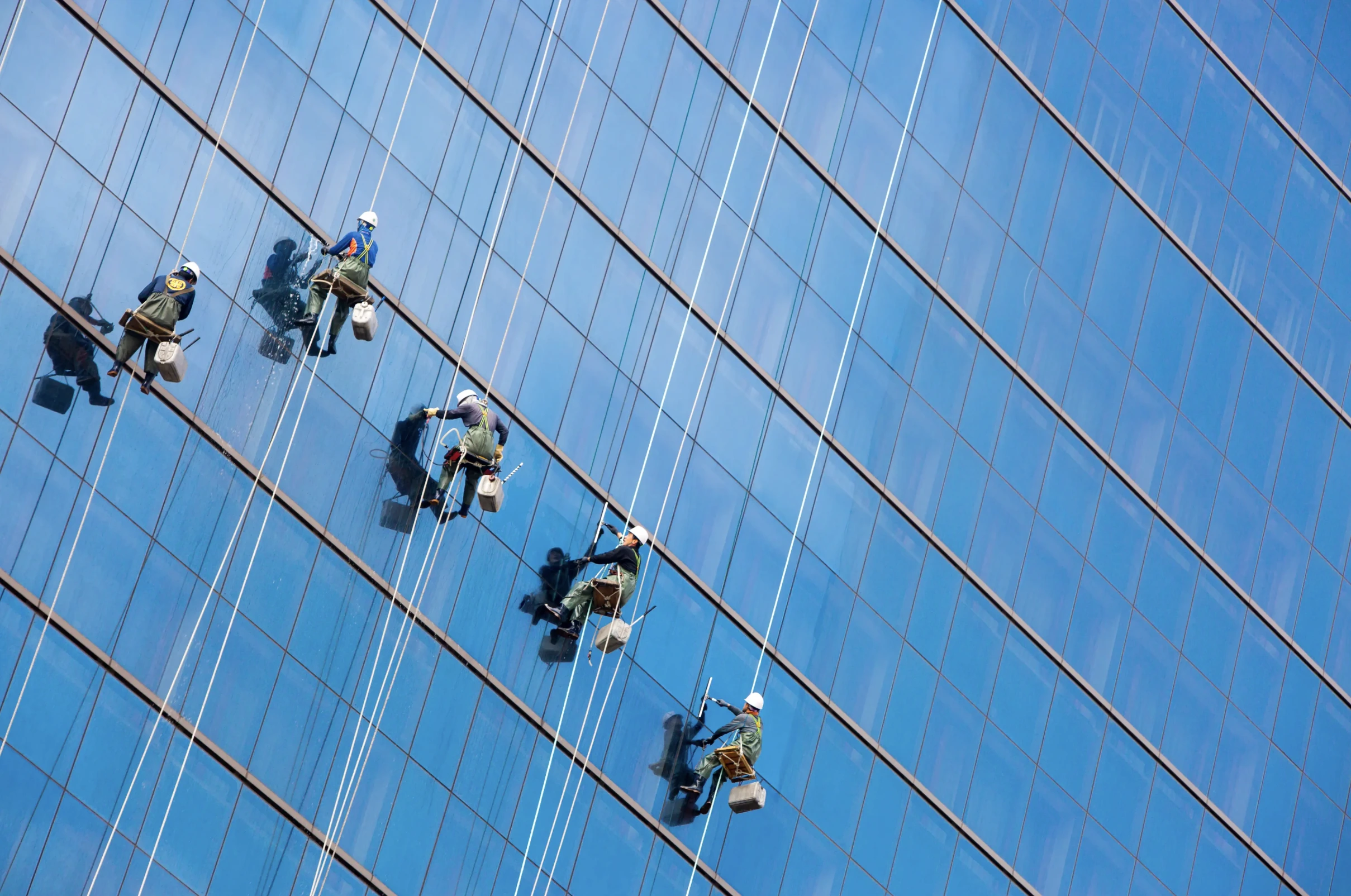
Dirty or streaked windows, stained stonework, overflowing bins, unkempt planting and litter in car parks or courtyards all suggest that the building - and by extension, the businesses within it - are not being looked after. In a competitive market, where prospective occupiers may be viewing multiple properties, these signals influence who makes the shortlist and what they are willing to pay. Well-maintained exteriors, clean glazing and tidy external areas, on the other hand, create confidence and support higher perceived value.
7. Shortened lifespan of key building elements
The materials that make up your building - roofs, façades, glazing, flooring - carry significant embodied cost and carbon. Neglecting maintenance reduces their lifespan and brings forward the point at which you face major replacement projects.
Without regular cleaning and suitable protective treatments, façades can weather unevenly, stain, and degrade faster than expected. Hard floors that are never properly sealed or maintained can wear prematurely, requiring disruptive and costly replacement. Windows left without routine maintenance may develop failed seals, condensation and reduced performance. A “run to failure” approach might seem simpler in the short term, but it almost always proves more expensive than a programme of planned care that extends the life of these elements.
How planned maintenance protects your building
A planned, proactive maintenance strategy is the most effective way to avoid these hidden costs. By identifying risks early and scheduling regular tasks, you smooth out expenditure, keep the building in better condition and reduce the likelihood of disruptive failures.
A simple approach starts with an honest assessment of the building’s current condition and known pain points. From there, you can prioritise quick wins such as clearing gutters, refreshing washrooms, improving cleaning standards in entrances and ensuring windows are cleaned regularly. Building a clear schedule for daily, weekly, periodic and annual tasks gives everyone - from onsite teams to external contractors - a shared roadmap to follow.
Planned maintenance also supports compliance and ESG goals. Good records, clearly defined responsibilities and regular inspections make it easier to demonstrate that you are managing risks properly. At the same time, a well-maintained building tends to be more energy-efficient, more comfortable to occupy and better aligned with modern expectations around sustainability and wellbeing.
Turning risk into opportunity
Seen in this light, property maintenance is not just a cost to be minimised; it is an investment in the performance, safety and value of your building. For commercial property owners and managers in London, a robust maintenance strategy helps protect asset value, strengthen your brand, support tenant retention and align with sustainability commitments.
By moving from reactive fixes to proactive care, you turn hidden risks into managed, predictable costs and make your building a more attractive place to work and invest in. The properties that are well maintained today are the ones that will lease faster, command stronger terms and stand up better to future regulatory and market pressures.