




From Storefront to Skyscraper: The Complete Guide to Keeping Your Commercial Building Pristine in London
Discover how to keep your London commercial building pristine with a whole‑building cleaning strategy. Learn about window cleaning, abseiling, office cleaning, floor polishing and pressure washing.
In a city as competitive as London, the condition of your building is part of your brand. A spotless façade, gleaming floors and a clean, healthy interior all send a clear message: this is a business that takes standards seriously.
This guide walks facilities managers and business owners through a full‑building maintenance approach, showing how different professional services work together to keep your property pristine from pavement to rooftop.
Why a “Whole‑Building” Cleaning Strategy Matters in London
Most buildings are cleaned piecemeal: someone looks after the windows, someone else tidies the offices, and the exterior often only gets attention when there is a visible problem. The result is an inconsistent standard that clients and staff notice immediately.
A whole‑building strategy, on the other hand, treats your property as a single, high‑value asset. You look at how the exterior, interior and surroundings work together, and you coordinate services so that each area supports the others. This approach delivers several key benefits:
Stronger first impressions for clients, visitors and tenants.
Better protection for surfaces and materials, reducing long‑term repair costs.
Healthier, more productive workspaces for staff.
Easier planning and budgeting thanks to scheduled, predictable maintenance.
In London’s dense, fast‑paced environment - with pollution, heavy footfall and demanding tenants - this joined‑up strategy is no longer a luxury. It is the simplest way to keep your property safe, compliant and consistently impressive.

Exterior Brilliance: Windows, Façades and Access at Height
The exterior of your building is your permanent shopfront, even if you never sell directly to the public. Clean glass, tidy façades and clear signage signal professionalism long before anyone walks through the door.
Commercial Window Cleaning
London’s air pollution, traffic and unpredictable weather create a constant film of dirt on glass. Without regular professional window cleaning, even the most modern building quickly looks tired.
A dedicated commercial window cleaning service can:
Keep shopfronts and street‑level glass streak‑free to draw attention to displays.
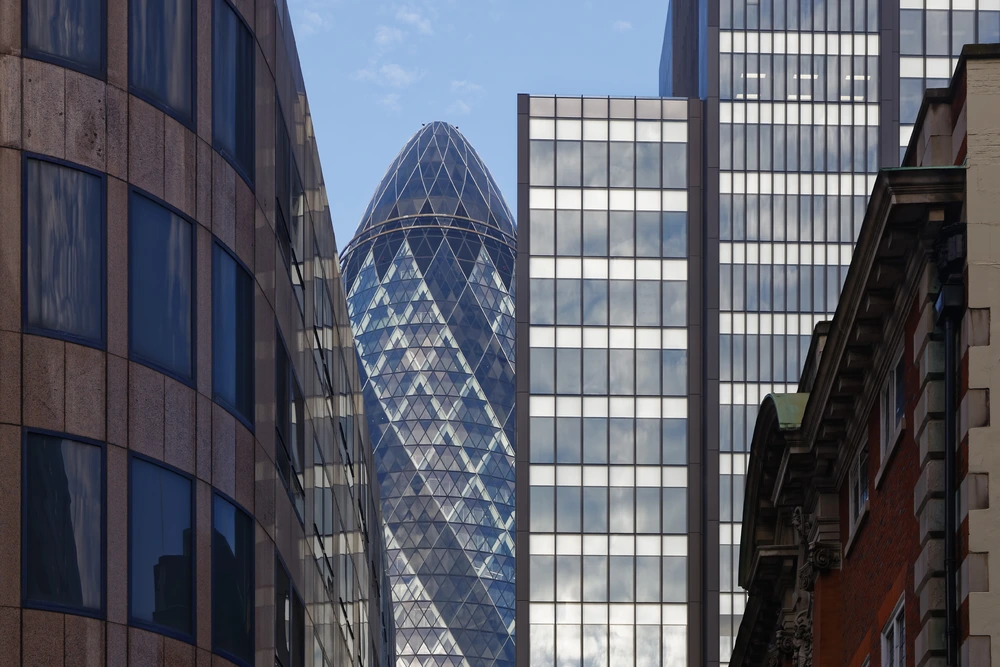
Maintain upper‑floor windows so the entire façade looks consistent from a distance.
Work to a fixed schedule (weekly, fortnightly, monthly) so you never have to “firefight” grime before important visits.
Using professional‑grade equipment and detergents ensures a clear, residue‑free finish and minimises disruption to staff and customers.
Abseiling and High Level Access
Not every part of a building is easy to reach. Architectural features, high atriums, roof lights and signage often sit well beyond the scope of standard ladders or lifts. Leaving these areas untouched not only looks bad, it can allow dirt and damage to build up unnoticed.
Abseiling and high‑level access services solve this problem safely and efficiently. Trained technicians use rope access systems and specialist equipment to:
Clean and maintain windows and cladding at height.
Access awkward architectural details, roofs and canopies.
Reach signage and lighting for cleaning and minor maintenance.
Because rope access is so flexible, it often reduces the need for scaffolding or bulky platforms, keeping disruption and costs down while still maintaining a spotless, well‑cared‑for exterior.
Interior Standards: Offices That Look and Feel Professional
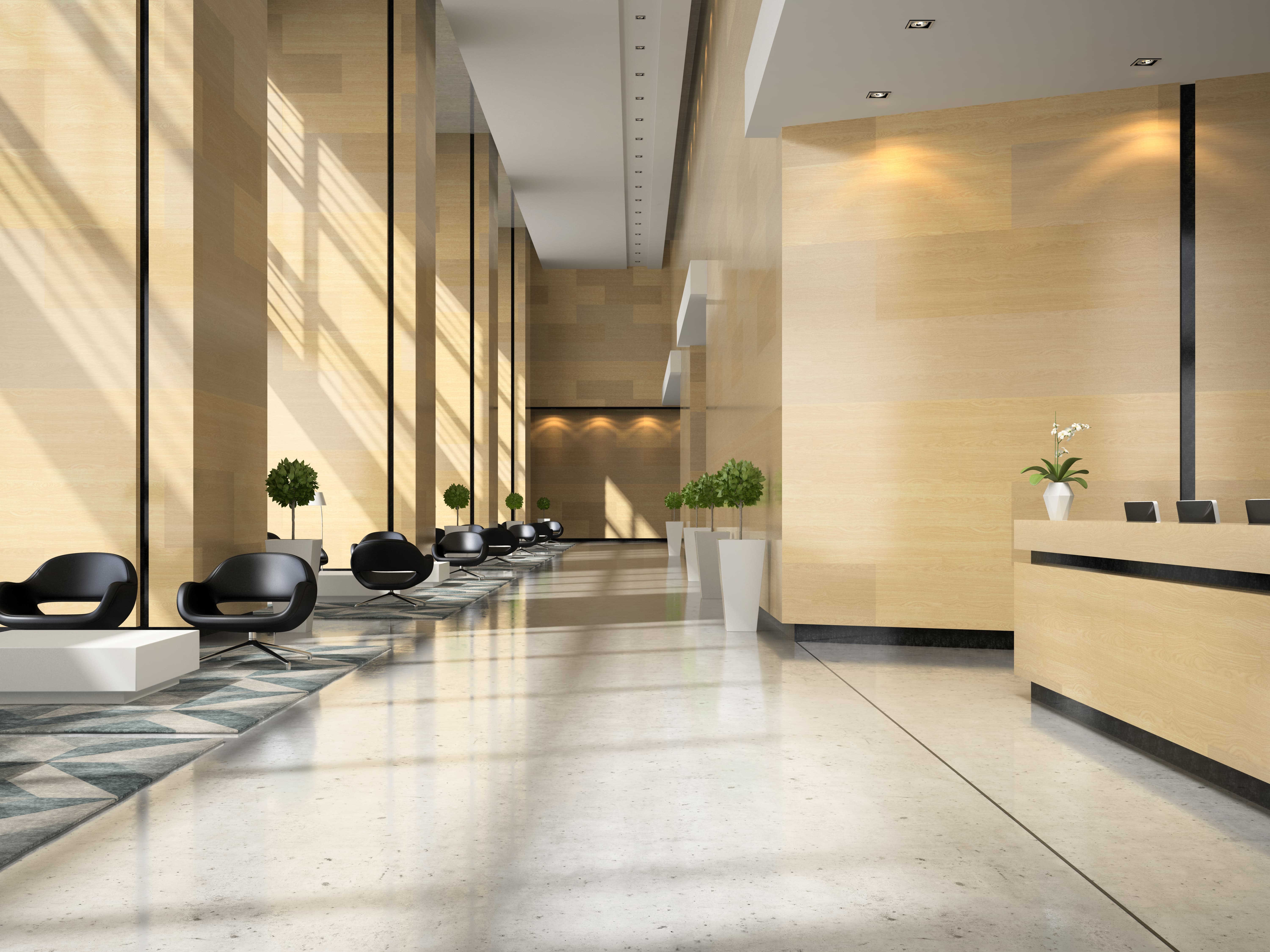
Once people step inside, the standard of your office cleaning becomes immediately obvious. A clean environment is not only more pleasant; it directly affects health, productivity and how clients perceive your business.
Commercial Office Cleaning
A professional commercial office cleaning service goes far beyond a quick vacuum at the end of the day. Done properly, it can:
Reduce the spread of germs through regular disinfection of desks, touchpoints and shared areas.
Support productivity by keeping workstations, meeting rooms and breakout spaces tidy and organised.
Maintain client‑facing spaces – reception, boardrooms, corridors – at a standard that matches your brand.
Daily or nightly cleaning ensures bins are emptied, kitchens are hygienic, washrooms are spotless and floors are free from debris. Periodic deeper cleans can then focus on carpets, upholstery, vents and harder‑to‑reach areas that accumulate dust and allergens over time.
For multi‑tenant buildings, coordinated office cleaning across floors also helps maintain a consistent standard throughout the property, protecting your reputation as a landlord or building manager.
Floors That Impress: Welcoming Lobbies and Corridors
Your floors take more punishment than any other surface in the building. Heavy footfall, dirt brought in from the street and regular furniture movement quickly dulls even the highest‑quality finish. This is particularly obvious in lobbies, corridors and lift areas, where first impressions are formed.
Floor Polishing
Professional floor polishing restores and protects hard floors, keeping them both attractive and safe. A structured polishing and maintenance programme can:
Bring back the natural shine of stone, marble, terrazzo or other hard surfaces.
Remove fine scratches and scuff marks that make floors look tired and patchy.
Apply protective finishes that resist stains and make day‑to‑day cleaning easier.
Polished floors in entrance halls, reception areas and lift lobbies convey an immediate sense of quality and care. They also improve light reflection, making spaces feel brighter and more welcoming without additional energy use.
For facilities managers, pairing daily cleaning with scheduled polishing (for example, quarterly or bi‑annually depending on traffic) prolongs the life of the flooring and avoids costly replacements.
First Impressions at Street Level: Entrances, Pavements and Parking
Even if your windows sparkle and your lobby shines, a dirty entrance or stained pavement can undermine the whole effect. Gum, oil, moss and general city grime build up quickly at street level and around car parks and loading bays.
Pressure Washing
Pressure washing tackles these high‑traffic, high‑visibility areas to restore a clean, safe approach to your building. It is particularly effective for:
Entrances and walkways where dirt, chewing gum and stains accumulate.
Pavements and forecourts exposed to constant footfall and spills.
Loading bays, service yards and car parks that collect oil, tyre marks and debris.
Regular pressure washing improves curb appeal and helps manage slip risks caused by algae, moss or built‑up grime – crucial for both safety and liability. Combined with professional window cleaning and floor polishing, it ensures that the journey from pavement to reception feels consistently well maintained.
How to Build a Coordinated Maintenance Plan
The most effective way to keep a commercial building pristine is to move from reactive cleaning to a planned maintenance schedule that integrates all these services.
Here are practical steps to build a coordinated plan:
Audit the building Walk the property from street to rooftop. Note the current condition of windows, façades, floors, offices, entrances and any hard‑to‑reach areas. Identify high‑risk or high‑visibility spots.
Prioritise by impact and risk Rank areas according to how visible they are to clients, how they affect safety (slips, access, hygiene) and how quickly they deteriorate without attention.
Map services to problem areas
Use commercial window cleaning and abseiling for façades, high‑level glass and signage.
Schedule commercial office cleaning for internal hygiene and presentation.
Plan floor polishing for lobbies and main thoroughfares.
Add pressure washing for entrances, pavements, parking and loading zones.
Set realistic frequencies Work with your cleaning provider to set appropriate frequencies: daily for offices, monthly for windows, quarterly for floor polishing and pressure washing, for example. Adjust based on season, occupancy and usage.
Coordinate timing and access Align visits so that, where possible, different services support each other. For instance, pressure wash the entrance before polishing interior floors, or combine façade window cleaning with abseiling checks on high‑level elements.
Review and refine Monitor feedback from tenants, staff and visitors, and review the condition of key areas regularly. Use this information to tweak schedules, add seasonal deep cleans or adjust focus to new problem spots.
By treating your property as a single, integrated asset and coordinating specialist services across the façade, interior and surroundings, you create a building that consistently looks its best - whether viewed from the pavement outside or the top floor inside.